
REVIEW · NATIONAL PARKS
11 Day Best of the West National Parks Tour Las Vegas to San Francisco
Eleven days of parks, no rental car drama. This Las Vegas-to-San Francisco trip strings together seven national parks plus a few classic Southwest stops, with guided walks and optional add-ons when you want to turn it up.
I like that you travel with a max of 14 people, which keeps the day-to-day pace human. I also love that you get real local color with the Navajo guided 4×4 jeep tour in Monument Valley. One thing to consider: this is a lot of ground in limited time, so expect frequent walking and some hikes that can feel serious if you’re not used to altitude and heat.
In This Review
- Key Things That Make This Tour Worth Your Time
- Las Vegas to San Francisco in 11 Days: The West, One Ride at a Time
- Small Group (Up to 14) Means You Get Answers Fast
- Zion National Park: Angels Landing, Emerald Pools, and a Choose-Your-Adventure Day
- Bryce Canyon: Hoodoos at Rim Level, Then Down Close to the Rock
- Arches and Canyonlands: Two Parks, One Story of Erosion
- Monument Valley: Navajo Jeep Tour Plus the Best Kind of Camp Night
- Antelope Canyon, Horseshoe Bend, and the Grand Canyon Rim: The Wow Stack
- Return-to-Civilization: A Las Vegas Break That Actually Helps
- Death Valley: Photo Stops, Salt Flats, and a Bishop Night That Calms the Pace
- Tioga Pass to Yosemite Valley: The Scenic Route Through Big Changes
- Yosemite National Park: Full-Day Options That Fit Different Fitness Levels
- San Francisco City Tour: Finishing Strong with the Classics
- Price and Value: What $2,695 Buys You (and What It Doesn’t)
- Camping or Lodging: How Comfort Works on the Ground
- Who This West-to-Coast Tour Fits Best
- Should You Book This Tour?
Key Things That Make This Tour Worth Your Time
- Small group size (up to 14) means easier questions, quicker adjustments, and fewer logistics headaches.
- Real-guided moments in big parks, not just photo stops, so you understand what you’re seeing.
- Monument Valley by Navajo jeep adds cultural context and a top-tier sunrise setup.
- A full Yosemite day with choices: falls, granite viewpoints, or a calmer day by bike or on the Merced River.
- One-way route (Las Vegas start to San Francisco end) saves you from re-planning the same miles twice.
- Optional Antelope Canyon and Grand Canyon helicopter let you spend more where you want the wow-factor.
Still deciding? See how a handful of Las Vegas favourites stack up:
Las Vegas to San Francisco in 11 Days: The West, One Ride at a Time
This tour is built for people who want the big-name parks but don’t want to stitch together reservations, rental cars, and drive-time spreadsheets. You start at Palms Casino Resort and end at San Francisco Marriott Union Square around 5pm, with a guided city tour built in.
What I like most is the rhythm. You get mornings and afternoons where the guide helps you choose routes and timing, then evenings where you’re not stuck figuring out what’s for dinner or where to park. It’s a classic “see a lot, stress less” setup, and the small group keeps it from feeling like a cattle-car parade.
Small Group (Up to 14) Means You Get Answers Fast
A group capped at 14 sounds like marketing until you’re the one asking a question at a trailhead. With fewer people, the guide can slow down for the person who needs a break and speed up when the group is ready.
You’ll also benefit from having the same faces across multiple park days. The route changes daily, but the group dynamic stays steady enough that you build quick trust with your guide and with fellow hikers.
Vehicle-wise, you’ll ride in an air-conditioned SUV or minivan depending on group size. That matters out here. Heat and long road stretches aren’t theory; they’re part of the experience.
Zion National Park: Angels Landing, Emerald Pools, and a Choose-Your-Adventure Day
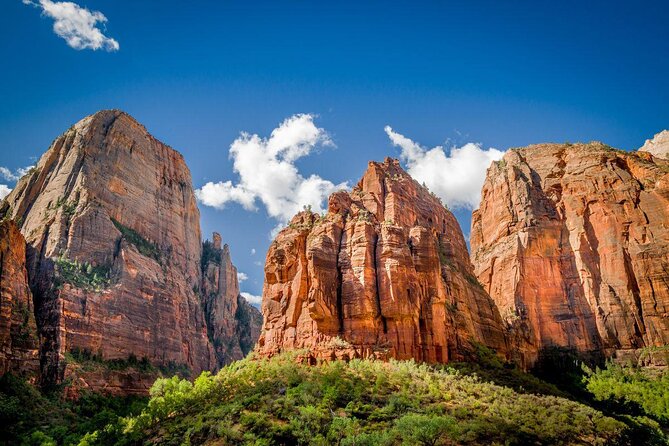
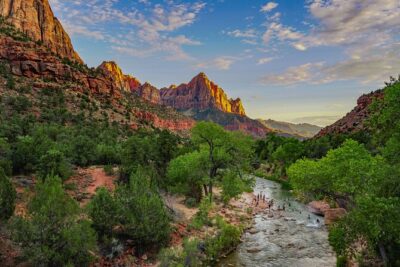
Zion is where the canyon walls start grabbing your attention in a very physical way. You’ll leave Las Vegas lights behind and head into a park that feels dramatic even when you’re just standing still.
The highlight is a challenge option: a narrow ridgeline hike to Angels Landing. If you’re game for exposure and steady steps, this is one of the most talked-about hikes in the Southwest. If you’d rather go easier, you can spend your time around the Emerald Pools area or take a river hike in the Narrows zone, depending on what the day allows.
A smart tip here: start early in your mind. Even when your hike is “only half a day,” the views can make you linger, and time out there adds up fast. Bring a water plan you’ll actually follow.
Potential consideration: Zion days can feel steep and technical. It’s not just distance—it’s footing and how your body handles the effort.
- Grand Canyon West, Hoover Dam Stop and Optional Lunch and Skywalk★ 5.0 · 19,535 reviews
- Grand Canyon West, Hoover Dam Stop, Breakfast, Lunch & Skywalk★ 5.0 · 12,194 reviews
- Half-Day Mojave Desert ATV Tour from Las Vegas★ 5.0 · 7,350 reviews
- Grand Canyon West Bus Tour with Hoover Dam and Optional Skywalk★ 4.0 · 7,224 reviews
- Ultimate VIP Hoover Dam Tour from Las Vegas with Lunch★ 5.0 · 6,782 reviews
- Lower Antelope Canyon and Horseshoe Bend Day Tour with Lunch★ 5.0 · 6,764 reviews
Bryce Canyon: Hoodoos at Rim Level, Then Down Close to the Rock
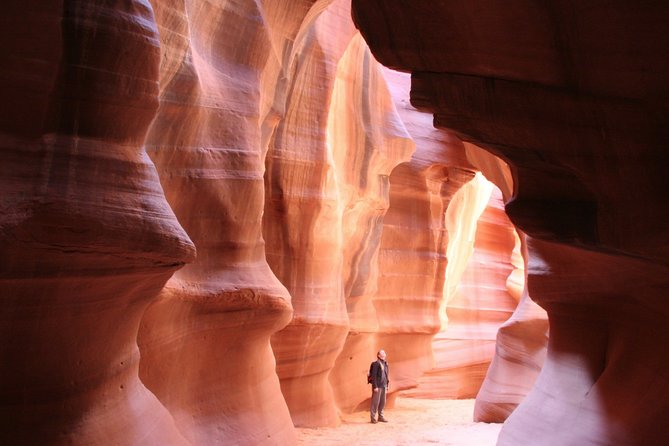
Bryce is a different kind of magic. Instead of massive walls rising straight up, you’re looking at an amphitheater of hoodoos—spires of sandstone that seem almost unreal.
You’ll spend time along the rim first to take in the scale, then you’ll have the option to hike down into the hoodoo area. Going from a rim viewpoint to being closer to the formations turns “wow” into “whoa, look at the details.”
One of my favorite parts of the Bryce day is what happens afterward: a soak in the camp’s outdoor hot tub to loosen up tight legs. After a day of stairs and scrambling, it’s the kind of practical luxury that makes the whole itinerary feel more doable.
Arches and Canyonlands: Two Parks, One Story of Erosion
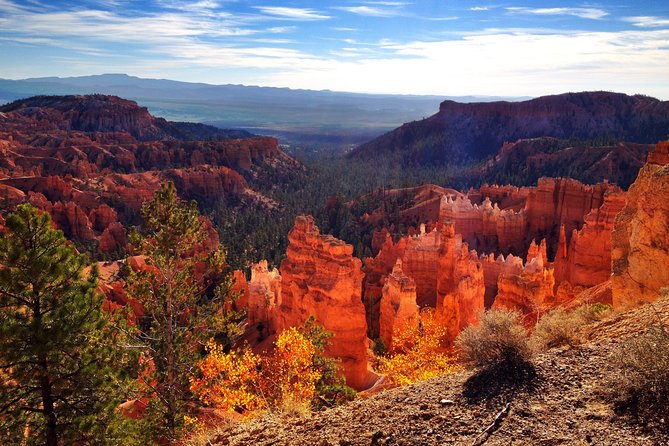
Arches National Park is built around arches—more than 2,000 of them—and it’s the kind of park where you can plan a route based on energy level. The guided route includes a hike toward Delicate Arch, which is the headliner for many first-timers.
There’s also room to personalize. You might choose a guided sunset tour option or an optional canyoneering adventure if you want something hands-on and more adrenaline. If you’re unsure, ask your guide what fits the group’s pace that day. Flex is part of the value.
Then Canyonlands steps in with a different angle: the view where the Green River meets the Colorado. This is scenery that makes you think in layers—river lines, canyon cuts, and vast distance all at once.
Practical thought: this is a lot of “big sky” time. Even if temps aren’t extreme, sun adds up. I’d treat sunscreen like it’s part of your hiking gear, not a cosmetic.
Monument Valley: Navajo Jeep Tour Plus the Best Kind of Camp Night
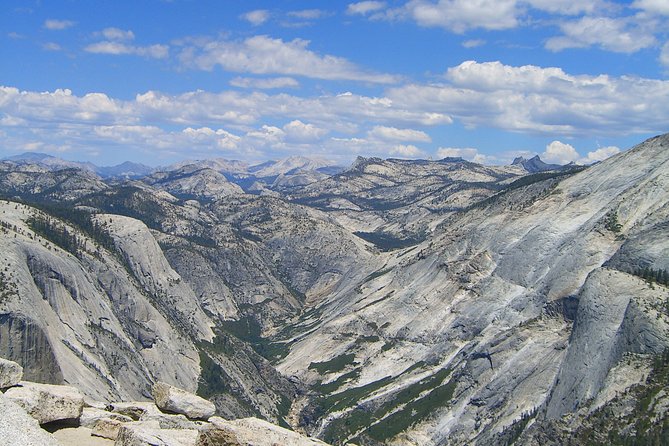
This is the day that often feels like a movie set—until you learn the context. Monument Valley is iconic for a reason, but the real win here is the included Navajo guided jeep tour.
That guided 4×4 ride is the kind of experience that changes how you see the place. You’re not just looking at scenery; you’re getting the story tied to the land while the vehicle positions you for the best angles.
Even better, you camp right along the rim. The setup is built for nighttime: starry skies, a front-row sunrise, and enough quiet that you can hear yourself think. It’s also one of the best days to bring your patience for slow moments. This is where the trip stops feeling like a checklist and starts feeling like a journey.
Antelope Canyon, Horseshoe Bend, and the Grand Canyon Rim: The Wow Stack
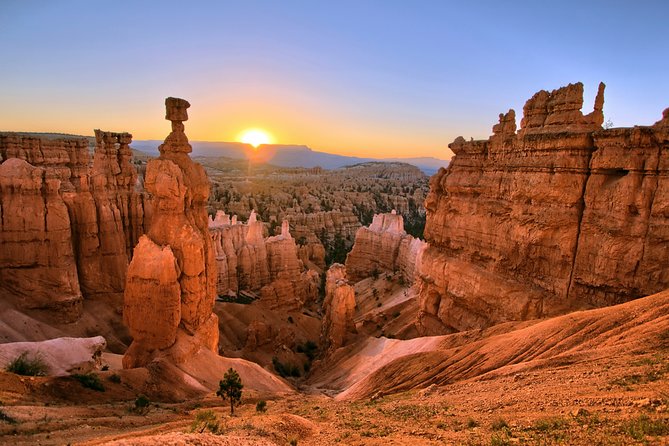
This stretch is a lineup of high-impact scenery. Start with the optional Antelope Canyon slot canyon visit, usually priced separately. If you want those tight, sculpted sandstone views and that famous light effect, plan to add it. If you’d rather conserve energy, you can still have a full day with the other highlights.
Then you’ll do Horseshoe Bend with a hike to the viewpoint. It’s short, but it’s a real walk with big payoff. This is the kind of “one photo, then stand there and stare” stop.
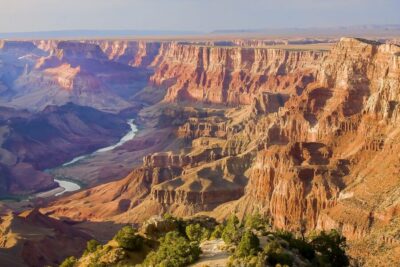
Next comes the Grand Canyon South Rim area, where you’ll get a bird’s-eye option if you add a helicopter ride (also priced separately). Otherwise, you’ll have the classic rim time too, including a chance for sunset and time to explore on foot or simply relax near rim cafes.
One detail I really appreciate in the plan: the day ends with a cookout and campfire feel. After so many sensory highs, that downshift makes the day more satisfying than just “park tourism.”
Potential consideration: you’ll be on your feet more than you might expect, especially after slot canyon time. Wear shoes you can trust and keep your water bottle in your routine.
Return-to-Civilization: A Las Vegas Break That Actually Helps
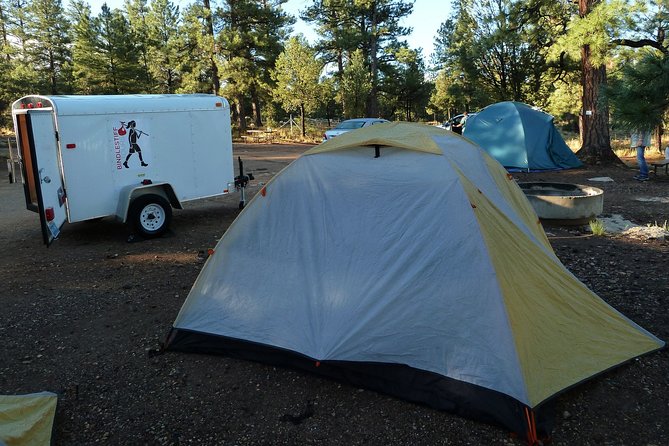
It’s smart that the itinerary includes a Las Vegas day mid-tour. You get to reset. That can mean pool time, a low-key meal, and then a night out on the Strip if you want it.
This break matters because the rest of the itinerary is intense in its own way—heat, altitude, hiking, and long drives. Having one day that’s not another “get up, go, see, repeat” can keep you from burning out.
If you’re traveling as a family or with mixed fitness levels, this stop gives you an easy way to regroup without feeling guilty about taking it slow.
Death Valley: Photo Stops, Salt Flats, and a Bishop Night That Calms the Pace
Death Valley is intense even when you’re mostly out for short walks and photo stops. Your day includes classic viewpoints and quick legs along the way.
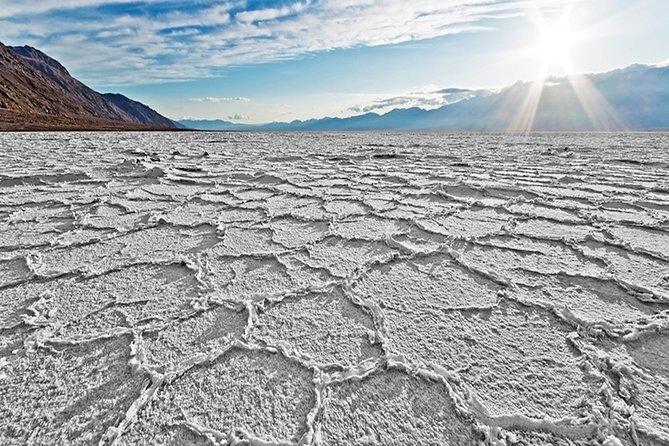
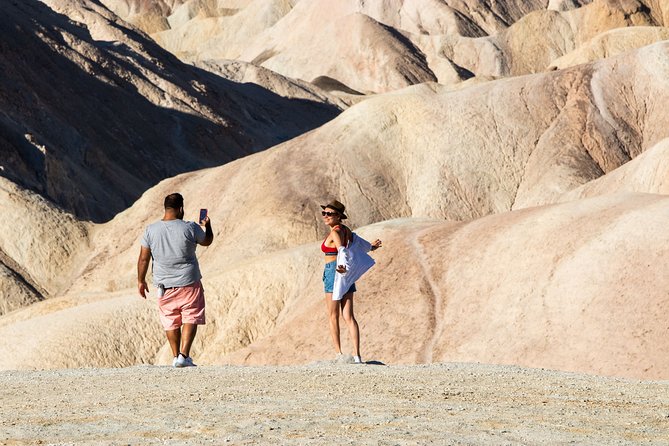
You’ll hit spots like Zabriskie Point, Artist’s Palette, Badwater Basin salt flats, Furnace Creek Visitor Center, Devil’s Golf Course, and Mesquite Sand Dunes. Then you’ll get a picnic lunch and continue to Bishop for the night.
A key point: this isn’t just about seeing “a desert.” It’s about contrast—salt flats, painted mineral tones, dune textures, and wide-open space that makes the scale feel bigger than your brain can measure.
Practical tip: if you’re prone to headaches or dizziness in heat, Death Valley can be a trigger. Pace yourself and don’t wait until you’re tired to start hydrating.
Tioga Pass to Yosemite Valley: The Scenic Route Through Big Changes
The drive across Tioga Pass is where the West changes gears. You’ll pass Olmsted Point, Lake Tenaya, Tuolumne Meadows, and Mono Lake on the way toward Yosemite Valley.
There’s also a real contingency: if Tioga Pass is closed due to weather, the plan routes through Lake Isabella for nights in Bishop instead. That’s important because it prevents the trip from turning into a maze of last-minute scrambling.
This day is long in a good way. You’re not hiking every moment, but you’re seeing a lot of “how can a place look like that” scenery. It’s also a nice lead-in for Yosemite the next day. Your eyes get ready for granite after desert.
Yosemite National Park: Full-Day Options That Fit Different Fitness Levels
Yosemite is a full day for a reason. You’ll explore with options across the park, including major viewpoints like Bridalveil Falls, Lower Yosemite Falls, and views of Half Dome and El Capitan.
You also get flexibility based on how you’re feeling. You can go for more guided walking routes and premier panoramas, or you can pick a calmer day with free time and even cycling along the Merced River if that’s your style.
That balance is why this tour works for different types of travelers. You can be all-in on big hikes, or you can treat Yosemite like a slow art gallery where every turn reveals another angle.
Potential consideration: Yosemite can still be physically demanding depending on the route your guide chooses and the effort you put in. If you’re coming from multiple hike days, plan your energy like you would for an actual multi-day trek.
San Francisco City Tour: Finishing Strong with the Classics
You end in San Francisco with a fully guided city tour. Stops include Fisherman’s Wharf, Pier 39, Haight Ashbury, and the Golden Gate Bridge.
This part is perfect for closing the loop. After days of red rock and desert, you get ocean air, neighborhoods with different vibes, and the easy-to-see landmarks that make SF feel instantly familiar.
Even if you’ve visited before, a guided approach helps you fill in the gaps: where to stand for the best bridge view, which streets connect neighborhoods, and how to pace yourself for a day that ends the trip.
Price and Value: What $2,695 Buys You (and What It Doesn’t)
At $2,695 per person, you’re paying for more than transport. You’re buying time, planning, and access—because this route includes park admissions, guided components, and accommodations choice.
Here’s what the cost covers based on the tour details:
- Park admissions for the major parks you visit.
- Guided experiences like the Death Valley tour and the Navajo guided jeep tour in Monument Valley (listed value of $75).
- A San Francisco city tour.
- Tour guide and included transfers.
- Lodging options: 9 nights camping plus 1 night lodging if you pick camping, or 10 nights lodging if you pick lodging.
Where you should be ready for additional spending:
- Gratuities.
- A local food kitty: the data specifies a per-day paid amount at the start of the trip—$20 per person per day for camping, $15 per person per day for lodging.
- Optional add-ons like Antelope Canyon and a Grand Canyon helicopter flight.
- A few meals may not be included on every day, depending on how the food kitty is set up for your plan.
Is it good value? For most people, yes, because you’re stacking huge distances, multiple parks, and guided time without the need to rent vehicles across different states. If you were trying to DIY this, the biggest cost wouldn’t just be gas—it’d be your time chasing reservations and figuring out park logistics day after day.
Camping or Lodging: How Comfort Works on the Ground
Your accommodation choice affects your daily feel more than you might expect.
With camping, you’ll use a solo or 2-person tent (equipment provided). You’ll set up and break down your own tent at each campground, though your guide will assist if needed. Campsites are typically equipped with Wi‑Fi, laundry, and hot showers, and some may have outdoor hot tubs and swimming pools.
With lodging, rooms are 2-person, shared by same-sex travelers or on a couple basis. If you’re part of a group with odd numbers, you might end up in a mix of rooms (triples when needed). Lodging is described as 3-star quality or higher.
Practical tip: if you like sleep but also want the “stars over the rim” magic, camping gets you the best moments. If you want lower effort, lodging keeps more energy for hiking days.
Who This West-to-Coast Tour Fits Best
This itinerary fits best if you want a guided, high-coverage route that still includes real hiking time.
You’ll enjoy it if:
- You don’t want to plan drives between major parks every day.
- You like a small group and want a guide who helps you pick the right trail and timing.
- You’re okay with active days and a packed itinerary rhythm.
You might not love it if:
- You want long, slow stays in only one or two parks.
- You’re hoping for mostly flat walking with minimal altitude and heat exposure.
Also, it’s hiking-focused: the minimum age is 7, and children under 17 must be accompanied by an adult.
Should You Book This Tour?
If you want the American West’s greatest hits in one organized sweep—Zion, Bryce, Arches, Canyonlands, Monument Valley, Grand Canyon, Death Valley, and Yosemite—this is a strong choice. The small group size, included guided stops, and the way the route ends with San Francisco make it feel like a complete journey, not just a list of parks.
My recommendation: book it if you’re excited by early trailheads, long sightseeing days, and a guide-driven pace. If you’re the type who needs lots of downtime between big attractions, consider a slower, park-by-park trip instead.
More Tours in Las Vegas
- Half-Day Mojave Desert ATV Tour from Las Vegas
★ 5.0 · 7,350 reviews - Grand Canyon West Bus Tour with Hoover Dam and Optional Skywalk
★ 4.0 · 7,224 reviews - Ultimate VIP Hoover Dam Tour from Las Vegas with Lunch
★ 5.0 · 6,782 reviews - Lower Antelope Canyon and Horseshoe Bend Day Tour with Lunch
★ 5.0 · 6,764 reviews - Las Vegas Helicopter Night Strip Flight Tour with Optional Dinner
★ 4.5 · 5,693 reviews - Half-Day Emerald Cave Kayak Tour with Optional Hotel Pickup
★ 5.0 · 4,978 reviews
More Tour Reviews in Las Vegas
- Grand Canyon West, Hoover Dam Stop and Optional Lunch and Skywalk
★ 5.0 · 19,535 reviews - Grand Canyon West, Hoover Dam Stop, Breakfast, Lunch & Skywalk
★ 5.0 · 12,194 reviews - Half-Day Mojave Desert ATV Tour from Las Vegas
★ 5.0 · 7,350 reviews - Grand Canyon West Bus Tour with Hoover Dam and Optional Skywalk
★ 4.0 · 7,224 reviews - Ultimate VIP Hoover Dam Tour from Las Vegas with Lunch
★ 5.0 · 6,782 reviews - Lower Antelope Canyon and Horseshoe Bend Day Tour with Lunch
★ 5.0 · 6,764 reviews
Fresh off the Strip: new Las Vegas reviews




National Parks, compared.
 ★ 4.5Grand Canyon National Park South Rim Bus Tour from Las VegasFrom $713,071 reviews
 ★ 4.5Bryce Canyon & Zion National Park from Las Vegas with Lunch, WiFiFrom $1692,515 reviews
 ★ 4.0Grand Canyon National Park South with Optional UpgradesFrom $992,044 reviews
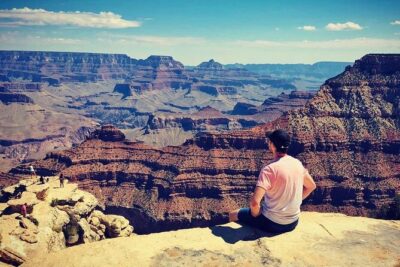 ★ 5.0Grand Canyon National Park South from Las Vegas with Lunch, WiFiFrom $791,966 reviews
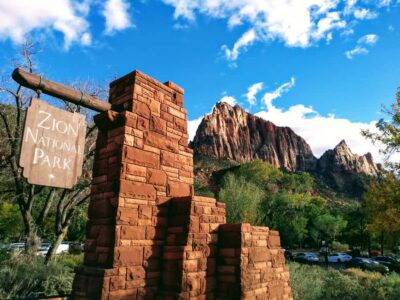 ★ 4.7Bryce and Zion National Parks Tour with LunchFrom $159995 reviews
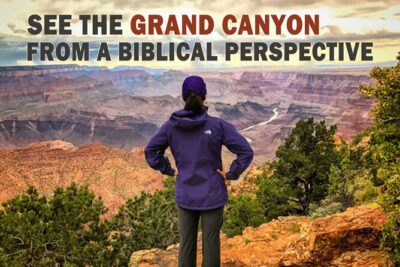 ★ 5.04-Hour Biblical Creation + Sunset Tour • Grand Canyon National Park South RimFrom $149718 reviews
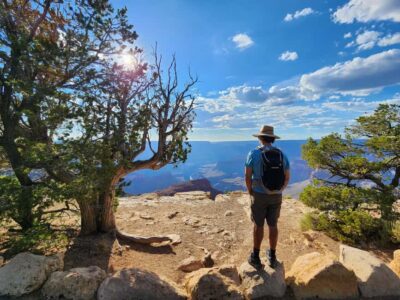 ★ 4.6Grand Canyon National Park South w/Lunch, Free WiFiFrom $119669 reviews
 ★ 4.4Grand Canyon National Park South Rim Guided TourFrom $150531 reviews