
REVIEW · MUSEUMS
Las Vegas: BODIES | The Exhibition at the Luxor
Real bodies. Real facts. Bodies…The Exhibition at the Luxor is one of those rare Vegas stops where you come away with a clearer sense of how your body works, not just trivia. I love the sheer scale of the display—13 whole-body specimens and 260+ organs and partial body specimens—and I also like how the exhibit makes anatomy feel readable, with clear, educational written information.
One consideration: this is not a light, photo-and-pose attraction. You’ll want to handle the subject matter with care, and cameras aren’t allowed, so plan on experiencing it with your eyes and then letting what you learned sink in.
In This Review
- Key things worth knowing before you go
- Bodies…The Exhibition at the Luxor: what you’re really paying for
- Entering the gallery: how the visit flows
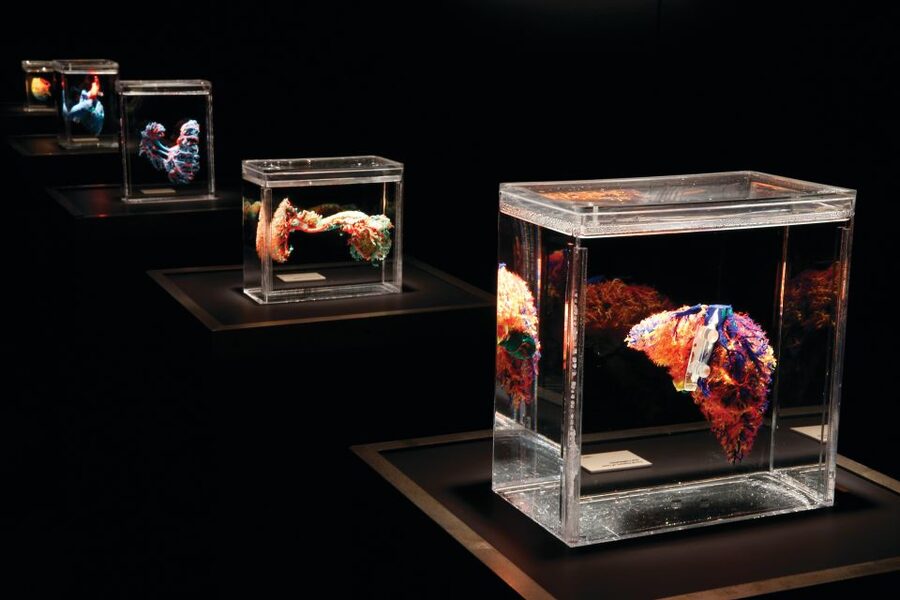
- The big draw: 13 whole-body specimens and 260+ organs
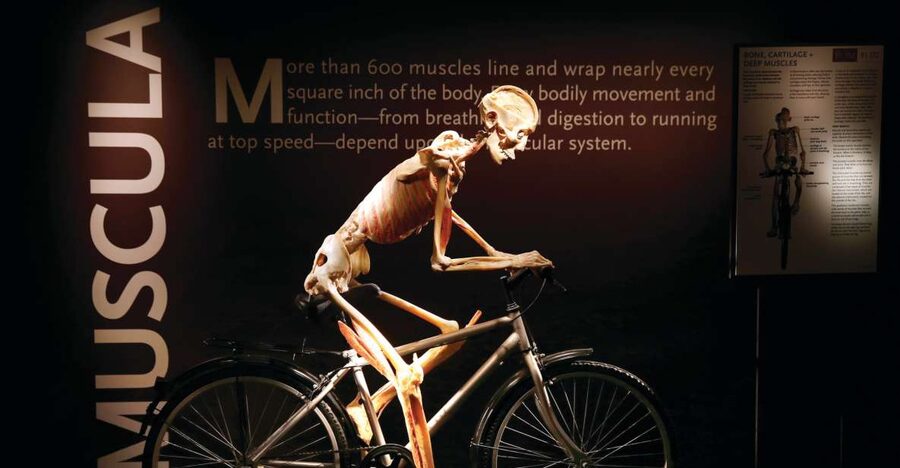
- Skeleton and muscle sections: structure you can actually picture
- Respiratory and circulatory systems: seeing how life keeps moving
- The lifestyle lessons: over-eating, inactivity, and lung damage
- Plan your one-day timing: don’t show up at the last minute
- What rules you should respect before you arrive
- Is it creepy or just educational? You decide how to handle it
- Price and value: is $44 a good deal in Vegas?
- Who will love Bodies…The Exhibition and who might not
- Should you book Bodies…The Exhibition at the Luxor?
- FAQ
- What does the ticket include?
- How many specimens are on display?
- Are cameras allowed?
- Is the exhibit wheelchair accessible?
- Are children allowed?
- When is the last admission on Superbowl Sunday?
Key things worth knowing before you go
- 13 whole-body specimens let you see the body as a complete system, not random diagrams
- 260+ organs and partial specimens show details you usually never get to picture clearly
- Hands-on-style learning by body system covers skeletal, muscular, respiratory, and circulatory systems
- Side-by-side comparisons include examples like a healthy lung next to a black lung from smoking
- Lifestyle impact is part of the story, including effects tied to over-eating and inactivity
- Skip-the-line entry helps you spend your time inside the exhibit instead of waiting
One more to line up against this Las Vegas booking:




Bodies…The Exhibition at the Luxor: what you’re really paying for
At $44 per person for a 1-day visit, the value is less about entertainment and more about education you can’t easily replicate at home. You’re not watching a show. You’re walking through an exhibit built from real human specimens, preserved after careful dissection and then displayed with a strong focus on how anatomy connects to everyday choices.
The Luxor setting matters, too. You’re in a place designed for visitors with short attention spans, but this exhibit asks you to slow down. If you’re the type who likes learning with your senses—how things are shaped, where they sit, and how they relate—you’ll probably find it satisfying in a way that typical museum posters don’t.
Entering the gallery: how the visit flows
Your entry is at Bodies…The Exhibition at the Luxor Hotel & Casino, and the experience is set up so you can move at your own pace. The key detail is timing: the last entry is at 5:00 PM. That means you don’t want to treat it like a “whenever” activity late in the day. Plan to start with enough time to see what you came for without feeling rushed.
As you move through the rooms, expect a progression that feels like walking through your own body. The exhibit is organized so you can pick up context along the way rather than jumping around. I also like that the information is written clearly enough that even if you’re not a science person, you can still follow the logic.
The big draw: 13 whole-body specimens and 260+ organs
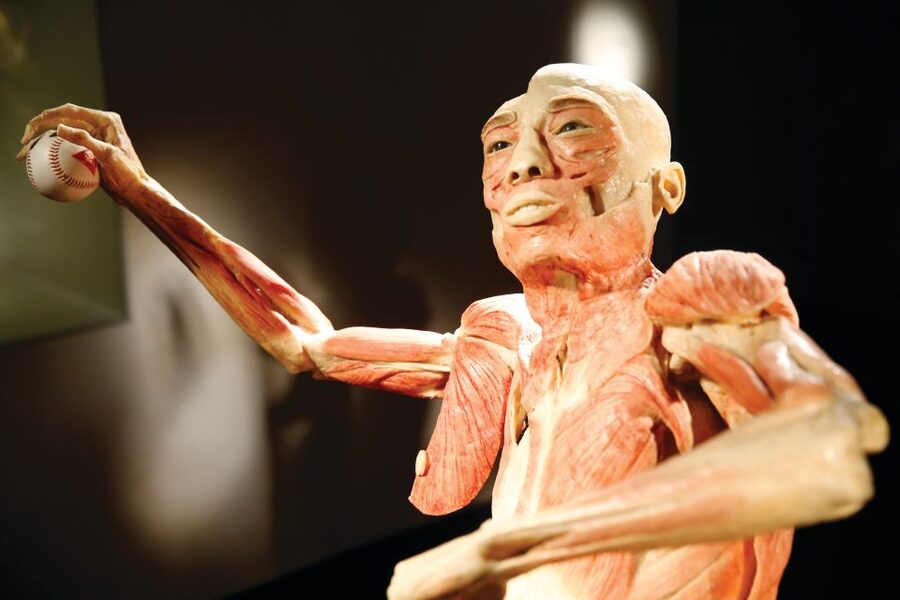
The centerpiece of this experience is the scale. You’re looking at 13 whole-body specimens, plus more than 260 organs and partial body specimens. That combination is what makes it more memorable than a smaller exhibit.
Why that matters for you: whole-body displays help you understand placement—what sits where and why it matters. Then, the organ-level specimens give you the details that placement alone won’t explain. Together, it’s a one-two punch: you get both the architecture and the internal structure.
- Grand Canyon West, Hoover Dam Stop and Optional Lunch and Skywalk★ 5.0 · 19,535 reviews
- Grand Canyon West, Hoover Dam Stop, Breakfast, Lunch & Skywalk★ 5.0 · 12,194 reviews
- Half-Day Mojave Desert ATV Tour from Las Vegas★ 5.0 · 7,350 reviews
- Grand Canyon West Bus Tour with Hoover Dam and Optional Skywalk★ 4.0 · 7,224 reviews
- Ultimate VIP Hoover Dam Tour from Las Vegas with Lunch★ 5.0 · 6,782 reviews
- Lower Antelope Canyon and Horseshoe Bend Day Tour with Lunch★ 5.0 · 6,764 reviews
Skeleton and muscle sections: structure you can actually picture
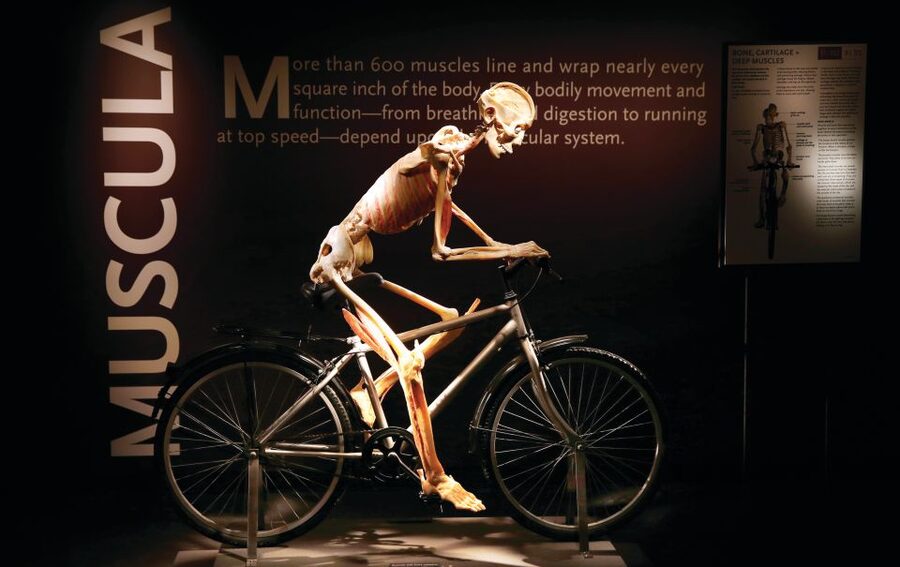
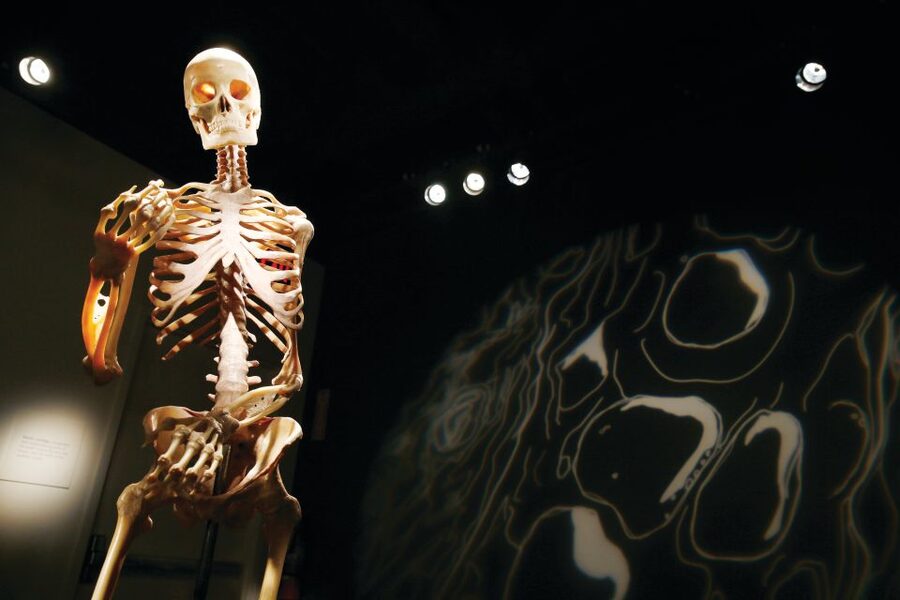
One of my favorite parts of anatomy displays is the point where diagrams stop and reality starts. Here, you’re able to observe the skeletal and muscular systems in clear, up-close detail.
This is where the exhibit quietly teaches you something practical. You begin to understand why certain movements and pains happen, and why muscles aren’t just “things you feel”—they’re built to work with bones, tendons, and positioning. Even if you’re not trying to become a science nerd, you’ll likely leave with a better sense of how your body holds itself together.
Tip: spend extra time in the areas focused on bones and muscle. Those sections tend to make later learning click, especially when you shift into how breathing and circulation rely on connected structures.
Respiratory and circulatory systems: seeing how life keeps moving
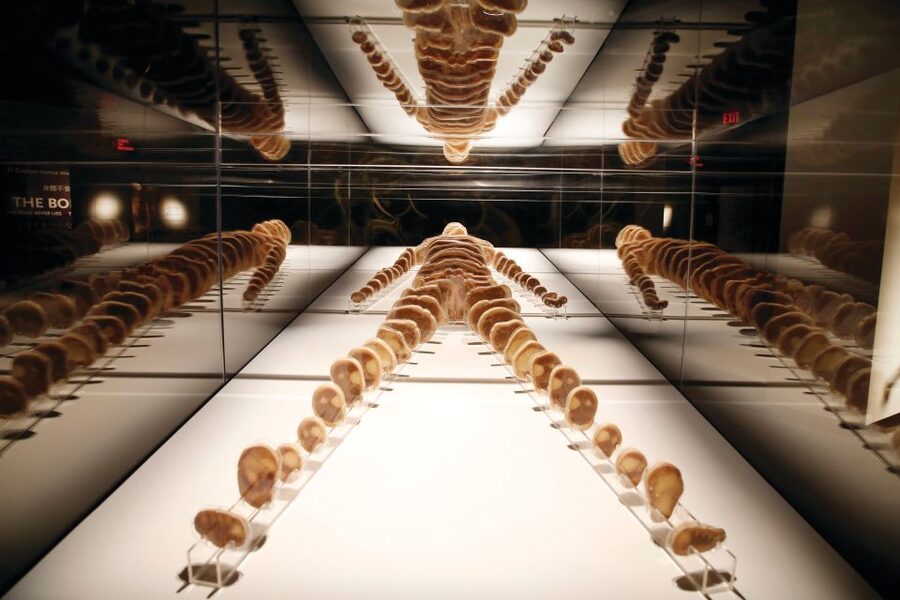
Then the exhibit turns your attention to respiratory and circulatory systems. These sections do something important: they take what you usually think of as abstract (air in, blood moving) and make it tangible.
When you can see where structures sit and how they connect, the information feels less theoretical. You start to notice how breathing isn’t just lungs—it’s the whole pathway. And you see how circulation is built for constant movement through the body, not a one-time event.
If you’ve ever wondered why certain health issues are linked, this is the part where the connections start to make sense. The exhibit encourages you to think in systems, not isolated organs.
The lifestyle lessons: over-eating, inactivity, and lung damage
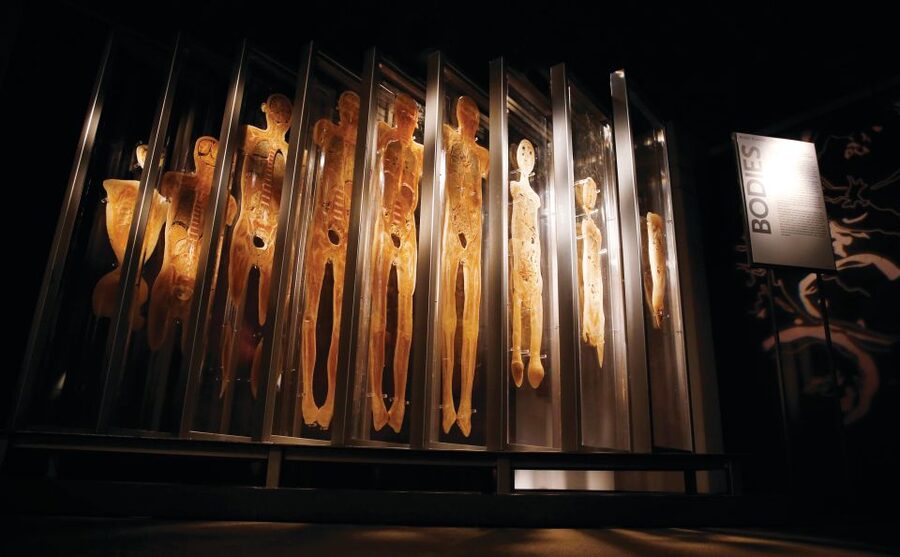
This exhibition isn’t only about anatomy. It also shows the human impact of choices—specifically the effects of over-eating and inactivity on organs. It’s educational, but it’s also honest. The goal isn’t to scare you for entertainment. It’s to help you understand cause and effect in the most direct way possible.
One standout comparison is a healthy lung shown side by side with a black lung ravaged by smoking. That pairing is powerful because it doesn’t rely on vague descriptions. You’re looking at visible change, and the exhibit gives you context so you can connect what you see to what it means.
What to do with that information: after you leave, you’ll probably catch yourself thinking about your own routines—breathing habits, movement, and diet—more clearly than you would after a generic wellness talk. That’s the real value of this exhibit.
Plan your one-day timing: don’t show up at the last minute
Because this is a single-day experience, your “itinerary” is really about pacing inside the exhibit. Use the last entry time (5:00 PM) as your anchor.
A solid strategy:
- Aim to arrive with time to move slowly through the sections.
- If you’re reading every label, expect the visit to take longer than you think.
- If you’re short on time, focus first on the sections that match your interests: skeletal, muscular, respiratory, circulatory, and the smoking/lung comparison.
Also, check your calendar. The exhibit has an unusual closure window on Superbowl Sunday (2/8/26): open 11:00 AM to 4:00 PM, with last admission at 3:00 PM. Regular operating hours resume on 2/9/26. If you’re in town around then, this one detail can completely change your plan.
What rules you should respect before you arrive
This exhibit has straightforward rules, and they affect comfort more than you might expect.
Cameras are not allowed, and there’s also no smoking and no luggage or large bags. Unaccompanied minors aren’t permitted, and children under 18 must be with an adult. If you’re coming with kids, remember children three (3) and under are free when accompanied by an adult, and a ticket isn’t required for that age group.
Why these rules matter: if you’re the type who wants photos for later, you’ll need to adjust expectations. And if you’re traveling light, you’ll feel better knowing you won’t have to wrestle with big items at the entrance.
Is it creepy or just educational? You decide how to handle it
Bodies…The Exhibition sits in an emotional space that you should name before you go. The subject matter can feel intense—some people call it creepy—while the presentation aims to be educational, clear, and respectful.
My practical advice: treat it like a museum you’re willing to concentrate in, not like a quick pop-in attraction. If you know you get uncomfortable with medical imagery or preserved specimens, you’ll want to think twice. If you like real-life anatomy and you’re curious about how habits change organs, you’ll probably find it both fascinating and sobering.
Also, bring a layer. The indoor environment can feel cool, so even if it’s hot outside, you might appreciate something warm for your visit.
Price and value: is $44 a good deal in Vegas?
Vegas pricing can be all over the place, so here’s the honest way to judge this one: $44 buys you sustained time in a structured exhibit with high-detail content—whole-body specimens, plus 260+ organs and partial specimens, and information about how bodies are affected by smoking, over-eating, and inactivity.
If you’d normally pay similar money for a show or a general attraction, this offers something more lasting: it changes how you understand the body. It’s also a “repeat value” type experience. Even after you leave, you’ll remember specific comparisons and systems longer than you’d remember a typical visual spectacle.
The skip-the-ticket-line feature is part of the value, too. In a city where time disappears fast, saving waiting time helps you get your money’s worth.
Who will love Bodies…The Exhibition and who might not
You’ll likely enjoy this if you:
- Like anatomy, bones, muscles, or how organs work
- Want a museum-style experience in Las Vegas that’s not another performance
- Prefer written explanations that keep you oriented
You may want to skip it if you:
- Know you dislike preserved specimens or medical displays that feel too realistic
- Want cameras as part of the experience
- Are looking for something purely entertaining and lighthearted
And if you’re visiting with a kid or teen: it can be fascinating, but plan for it to be more educational than playful, and make sure a parent or adult is actively present (since unaccompanied minors aren’t allowed).
Should you book Bodies…The Exhibition at the Luxor?
If you’re even slightly curious about how your body works—or you want a Vegas activity that’s genuinely educational—this is an easy yes. The combination of whole-body specimens, 260+ organs, and system-by-system organization makes it more informative than most short attractions.
Book it especially if:
- You want an indoor, structured stop that’s easier to focus on than the loud city streets
- You like clear written guidance alongside real specimens
- You’re interested in the lifestyle and organ-damage comparisons, like the healthy versus black lung section
If you hate the idea of being face-to-face with realistic anatomy, it’s also okay to pass. Not every “must-do” fits every comfort level.
FAQ
What does the ticket include?
Your ticket includes admission to Bodies…The Exhibition. The last entry into the exhibit is at 5:00 PM.
How many specimens are on display?
The exhibition includes 13 whole-body specimens and more than 260 organs and partial body specimens.
Are cameras allowed?
No. Cameras are not allowed in the exhibition.
Is the exhibit wheelchair accessible?
Yes. The activity is wheelchair accessible.
Are children allowed?
Yes, but children under eighteen (18) must be accompanied by an adult. Children three (3) and under are free when accompanied by an adult (no ticket required for them).
When is the last admission on Superbowl Sunday?
On Superbowl Sunday (2/8/26), the exhibit closes early: open 11:00 AM to 4:00 PM, with last admission at 3:00 PM.
More Museums in Las Vegas
- Ticket for ARTE Museum Las Vegas
★ 5.0 · 2,106 reviews - Las Vegas Mob Museum Admission Ticket
★ 4.5 · 1,295 reviews - Madame Tussauds Wax Museum Las Vegas
★ 4.4 · 601 reviews - Titanic: The Artifact Exhibition at the Luxor Hotel and Casino
★ 4.5 · 350 reviews - Las Vegas: Titanic Artifact Exhibition at the Luxor Hotel
★ 4.5 · 280 reviews - Paradox Museum in Las Vegas: Exit Reality, Enter Fun Illusions
★ 5.0 · 180 reviews
More Tour Reviews in Las Vegas
- Grand Canyon West, Hoover Dam Stop and Optional Lunch and Skywalk
★ 5.0 · 19,535 reviews - Grand Canyon West, Hoover Dam Stop, Breakfast, Lunch & Skywalk
★ 5.0 · 12,194 reviews - Half-Day Mojave Desert ATV Tour from Las Vegas
★ 5.0 · 7,350 reviews - Grand Canyon West Bus Tour with Hoover Dam and Optional Skywalk
★ 4.0 · 7,224 reviews - Ultimate VIP Hoover Dam Tour from Las Vegas with Lunch
★ 5.0 · 6,782 reviews - Lower Antelope Canyon and Horseshoe Bend Day Tour with Lunch
★ 5.0 · 6,764 reviews
Fresh off the Strip: new Las Vegas reviews






Museums, compared.
 ★ 5.0Ticket for ARTE Museum Las VegasFrom $502,106 reviews
 ★ 4.5Las Vegas Mob Museum Admission TicketFrom $341,295 reviews
 ★ 4.4Madame Tussauds Wax Museum Las VegasFrom $29601 reviews
 ★ 4.5Titanic: The Artifact Exhibition at the Luxor Hotel and CasinoFrom $36350 reviews
 ★ 4.5Titanic Artifact Exhibition at the Luxor HotelFrom $36280 reviews
 ★ 5.0Paradox Museum in Las Vegas: Exit Reality, Enter Fun IllusionsFrom $33180 reviews
 ★ 4.7Arte Museum Las Vegas Immersive Art ExhibitionFrom $50162 reviews
 ★ 4.0Admission to The Neon Museum in Las VegasFrom $25128 reviews
Browse the lists this tour appears in