
REVIEW · SHOOTING RANGE EXPERIENCES
Las Vegas: Stargazing In The Mountains & Shooting Stars
Vegas turns quiet fast. Then the sky takes over. This trip takes you out from 5030 Paradise Rd to Lovell Canyon with real telescope time and a relaxed campfire setup, so you’re not just looking up—you’re learning what you’re seeing. The main drawback: it’s unmaintained wilderness with no facilities, so you’ll want to plan ahead for bathroom breaks.
I like how it mixes structure and freedom. You meet your instructor before you head out, get the terrain-and-equipment rundown, then it becomes self-guided from there—set your own pace, pick your viewing spot, and follow the direction tips you receive. One more consideration: if the weather is rough, you’ll either reschedule or get a full refund, so don’t book this as your only option for night-sky viewing.
In This Review
- Key things to know before you go
- Leaving Las Vegas for Lovell Canyon Darkness
- Getting Oriented at 5030 Paradise Rd (and Meeting Jake)
- The Jeep Drive: Comfortable Transport Into the Mountains
- Quick reality check
- The 30-Minute Local Bar Stop: A Route Break Before the Stars
- Spring Mountains Scenic Drive: Watch for the Light Fade
- Lovell Canyon: Your Self-Guided Stargazing Zone
- How self-guided works in practice
- Telescope Time: Seeing More Than a Pretty Sky
- Cozy Campfire Setup and Snack Breaks
- Comfort tip
- What You Get (and What You’ll Need to Bring)
- Price and Value: $250 for Up to 5 People
- Weather, Rules, and Wilderness Reality
- Who Should Book This Stargazing Experience
- Should You Book This Las Vegas Stargazing Trip?
- FAQ
- How long is the stargazing experience?
- What is the cost and group size?
- Is this a guided or self-guided experience?
- What should I bring?
- Is the experience weather dependent?
- Is hotel pickup included?
Key things to know before you go
- $250 per group (up to 5): your cost stays steady even as your group grows.
- Telescope included: you’re not stuck with star charts and guesswork.
- Lovell Canyon darkness: you trade strip lights for serious night sky.
- Campfire vibe + warm drinks/snacks: astronomy with comfort built in.
- No facilities on site: use the restroom before you arrive and bring warm layers.
- Not suitable for mobility impairments: terrain is unmaintained wilderness.
More rounds at the range
Leaving Las Vegas for Lovell Canyon Darkness
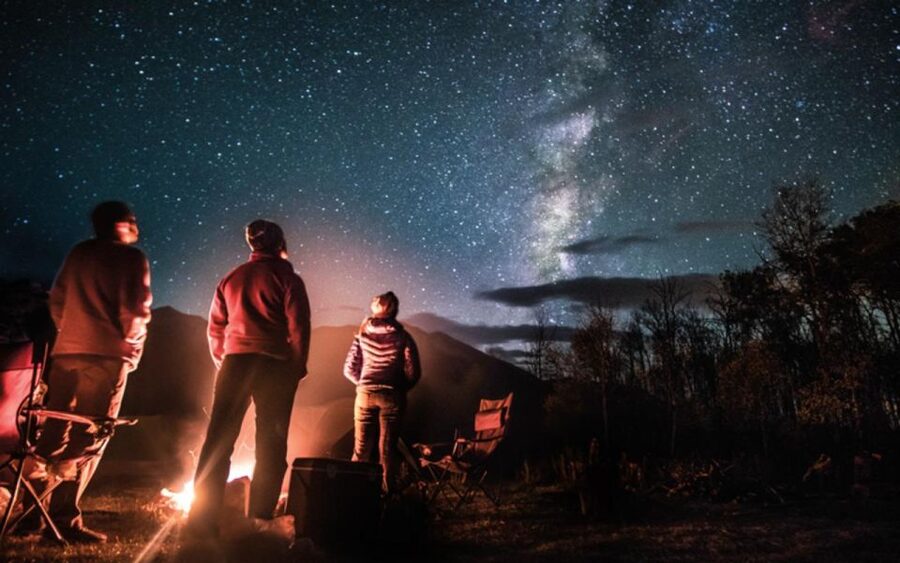
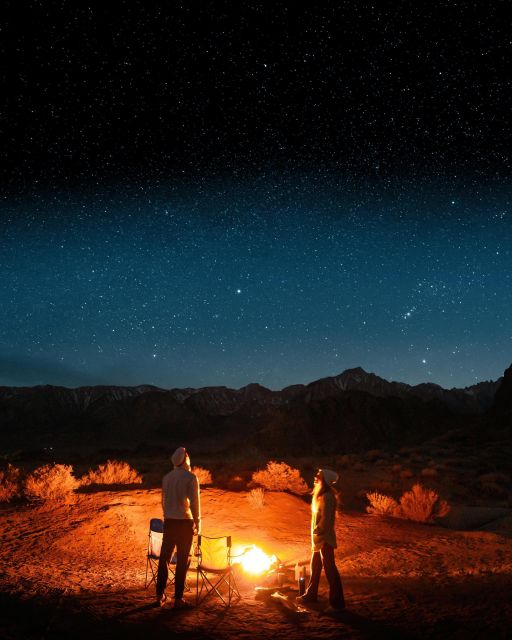
This experience is built around one simple idea: you need dark skies. Las Vegas is great, but it’s also a flood of light. Here, you drive out of that glow and into the Spring Mountains area, where the sky actually has room to show itself.
The payoff is the shift in atmosphere. The closer you get to Lovell Canyon, the more you feel like you’ve left the city behind. In the reviews, people repeatedly mention the quiet—no crowds, no constant noise—just the mountain night and a sky that looks bigger than it should.
Getting Oriented at 5030 Paradise Rd (and Meeting Jake)
Your start point is Suite C-105 at Discover IT Yourself home office on Paradise Rd. Before departure, you meet the instructor for a quick, practical briefing. You’ll cover what the terrain is like, how to use the equipment, and you can ask questions before you head out.
If your guide is Jake (sometimes referred to as Jacob), you can expect a friendly, organized vibe. One theme comes through in the feedback: he loves explaining how to aim the telescope and where to look, not just handing you gear and disappearing. There’s also a waiver you’ll sign before the adventure starts, which is standard for this kind of wilderness setup.
The Jeep Drive: Comfortable Transport Into the Mountains
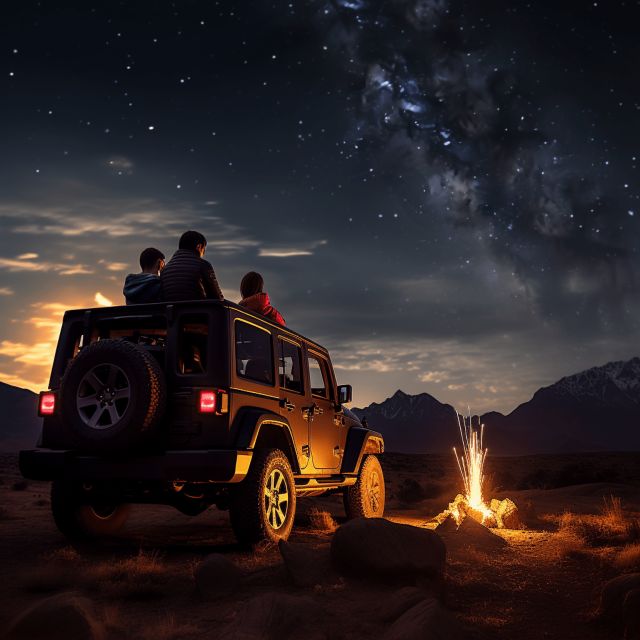
You’ll travel by Jeep / SUV for about an hour, then get a 15-minute scenic drive through the mountains. The route is part of the experience because you’re not rushing. It gives your group time to settle in, layer up, and get ready for dark-sky viewing.
A few people note that the Jeep setup can include extra comfort items like blankets, and they’ve mentioned heaters in at least some vehicles. Regardless of the exact setup, treat it as cold-weather travel. Evening temperatures can drop fast once you’re off the city floor. Closed-toe shoes also matter here, since you’re dealing with wilderness ground at the viewing spot.
- Grand Canyon West, Hoover Dam Stop and Optional Lunch and Skywalk★ 5.0 · 19,535 reviews
- Grand Canyon West, Hoover Dam Stop, Breakfast, Lunch & Skywalk★ 5.0 · 12,194 reviews
- Half-Day Mojave Desert ATV Tour from Las Vegas★ 5.0 · 7,350 reviews
- Grand Canyon West Bus Tour with Hoover Dam and Optional Skywalk★ 4.0 · 7,224 reviews
- Ultimate VIP Hoover Dam Tour from Las Vegas with Lunch★ 5.0 · 6,782 reviews
- Lower Antelope Canyon and Horseshoe Bend Day Tour with Lunch★ 5.0 · 6,764 reviews
Quick reality check
This is not a short walk to a paved overlook. You’re going into unmaintained wilderness. Even if most access feels straightforward, you’re still in a place without amenities—plan your movement and your expectations.
The 30-Minute Local Bar Stop: A Route Break Before the Stars
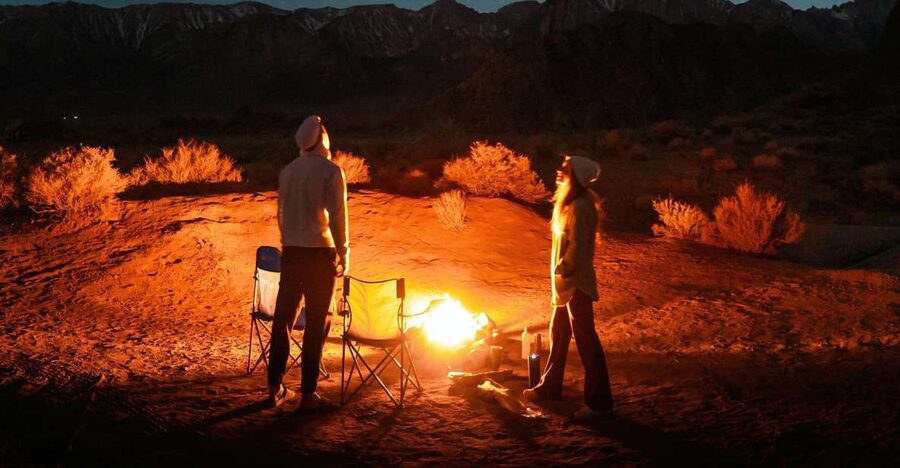
On the way out, there’s a stop at a local bar for about 30 minutes. The data doesn’t list what happens there, but it clearly functions as a break in the schedule—time to regroup, snack, or simply reset before the darker, quieter part of the evening.
If you’re the type who gets anxious about timing, this stop can actually help. It’s one of those built-in pauses that makes the night feel less like a nonstop transfer and more like an outing with breathing room.
Spring Mountains Scenic Drive: Watch for the Light Fade
The scenic drive through the Spring Mountains is only about 15 minutes, but it’s the moment where the whole trip starts to feel different. This is when light levels drop and your eyes slowly adapt.
I recommend you use this time to do a quick prep checklist:
- Put your warm layer on early.
- Charge your phone if you plan to shoot photos.
- Make sure you know where you want to be sitting once you stop.
Also, even if your viewing time is later, getting your eyes used to the dark early makes a difference. If you keep switching on bright lights, your night vision will suffer. That’s the kind of small thing that can ruin an otherwise perfect sky.
Lovell Canyon: Your Self-Guided Stargazing Zone
Once you reach Lovell Canyon, you get about 3 hours for the self-guided portion. You’ll choose where to set up and follow the direction guidance you receive in the briefing.
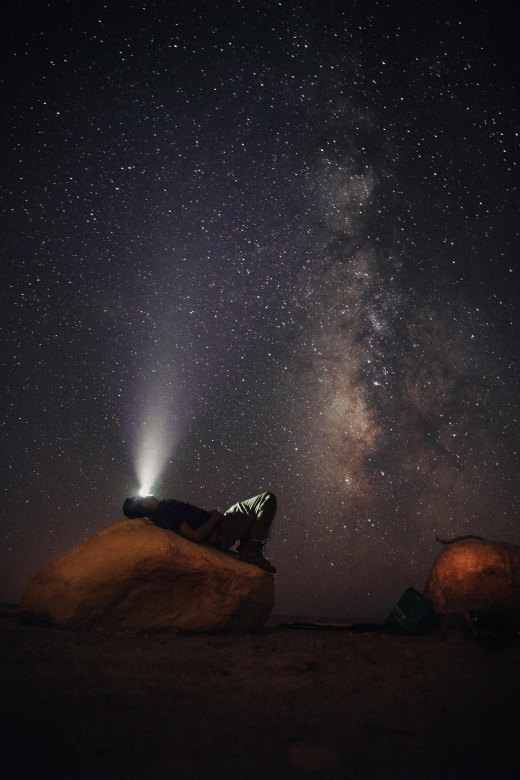
This is the heart of the experience: the dark sky plus the telescope. The telescope is included, and the goal is to help you see the galaxy in a more meaningful way than just pointing at dots. You’re guided toward targets, then you get time to actually look.
In the feedback, people talk about seeing the Milky Way with their own eyes, which is exactly what you want from a trip like this. If you’re chasing a meteor shower night, the direction tips matter too. One person described being pointed toward the East for the Geminid meteor shower and being given a map with multiple destination options. That’s a smart approach because even within a single night, you’re working with changing conditions and your own preferred viewing spot.
How self-guided works in practice
Self-guided doesn’t mean chaotic. You’ll have the instructor briefing, plus the equipment and the directions you need. After that, you’re free to:
- sit, wait, and watch at your own pace
- reposition if you want a different angle
- use the telescope when the sky cooperates
If you’re the sort of person who hates feeling herded, you’ll likely enjoy this structure. If you want constant commentary the whole time, you might find it a little quieter than a traditional guided tour.
Telescope Time: Seeing More Than a Pretty Sky
The telescope is the main reason this feels like more than a scenic stop. A lot of stargazing tours give you a dark field and a quick look. Here, you get setup support first, then a period where you can actually use the telescope under the stars.
One practical thing I’d do: take the time to listen during the briefing, especially on aiming and where the guide recommends starting. Even if you’re not an astronomy nerd, small tweaks—like direction and angle—change what you see.
Also, bring your smartphone if you want to capture the sky. It’s listed as optional, and photos are a great way to remember the night, especially when you can’t stop looking once you start seeing real detail.
Cozy Campfire Setup and Snack Breaks
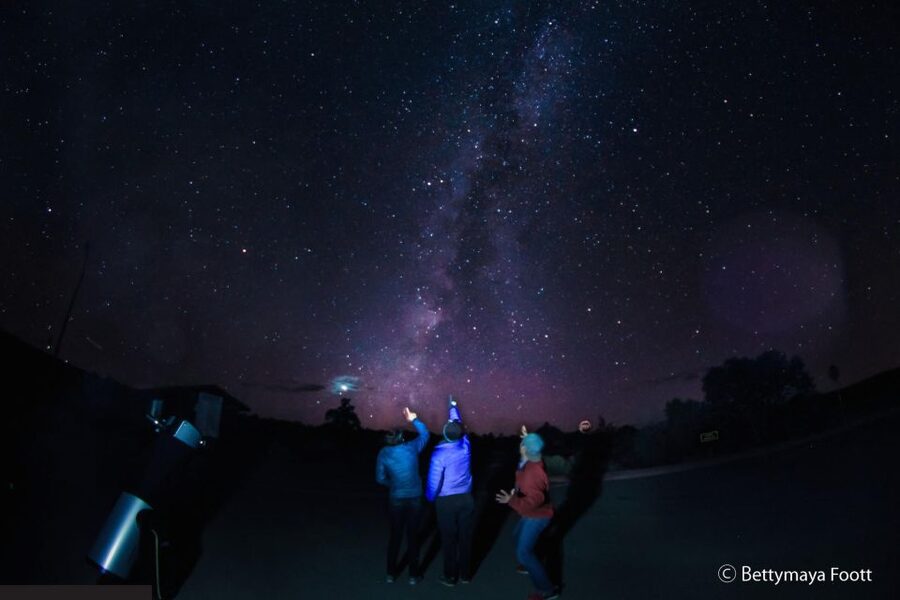
Night sky doesn’t have to mean misery. You’ll gather around a campfire for snacks and a warm beverage. Firewood is included, and the setup is meant to keep you comfortable while you wait for the sky to do its thing.
A few logistics points you should treat seriously:
- Fires are seasonal and must follow local laws.
- When fires are permitted, guests perform proper dousing procedures for containment.
- This is wilderness with no facilities, so don’t wait until you’re already out there to handle basic needs.
You also get camp chairs (2), plus a lantern and a blanket. Bluetooth speaker is included, which can turn the wait into a genuinely pleasant hangout if your group likes a little music. Just keep volume low enough that you still hear the crackle and enjoy the quiet.
Comfort tip
Even if you start warm from the drive, you can cool down fast when you’re sitting still for hours. Layering matters more than you think. Closed-toe shoes, warm clothing, and a willingness to stay outside longer than you planned will make this a much smoother experience.
What You Get (and What You’ll Need to Bring)
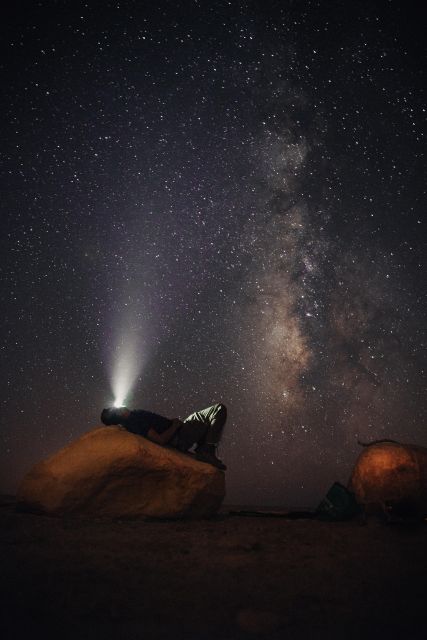
Here’s the included gear list in plain terms:
- Telescope
- Firewood bundle
- Camp chairs (2)
- Lantern
- Bluetooth speaker
- Snack package
- Water (6-pack) 1
- Blanket
- First aid kit
What you should bring:
- Closed-toe shoes
- Warm clothing
- Smartphone (optional)
I also suggest you bring:
- A headlamp with a red light mode if you have one, because switching to full white light can blast your night vision.
- A small thermos, if you like your own warm drink flavor (not provided, so this would be extra).
Price and Value: $250 for Up to 5 People
$250 per group up to 5 means you’re paying for a small, controlled, equipment-based night—not a big per-person bus ride. For a 5-hour experience, the value comes from the included telescope, snacks, warm-drink campfire time, and the fact that you’re getting transport into dark-sky terrain.
If your group is 4 or 5 people, this can be a lot more cost-friendly than per-person astronomy tours. If it’s just one or two of you, it’s still worth it if you really care about seeing the night sky well and you don’t want to scramble for gear.
Also, the “self-guided” model is part of the value. You get guidance upfront and then quality time to use what you’ve been given, instead of paying for a narrator to talk over your entire stargazing window.
Weather, Rules, and Wilderness Reality
This experience is subject to weather conditions. If it’s not suitable, you’ll be offered a reschedule or a full refund. That’s exactly what you want for stargazing, since clouds can turn a dream night into a gray one.
You should also understand the wilderness constraints:
- It’s unmaintained wilderness with no access to facilities.
- Fires are seasonal, local-law dependent.
- You’ll sign waivers before heading out.
Then there are the practical equipment care rules:
- Deposits are refundable on safe equipment return.
- Cleaning fees can apply if gear and vehicle aren’t returned as issued.
- You must fill up the Jeep/SUV to the fuel level it was issued with, or face additional fuel fees.
Those details matter because they protect the operation and keep the vehicles and equipment ready for the next group. Just treat them as part of responsible trip planning.
Who Should Book This Stargazing Experience
This one is a great fit if you want:
- Dark skies close to Las Vegas
- a telescope experience, not just sightseeing
- a calm, small-group night with comfort snacks and campfire time
- independence: you can move your spot and take breaks without losing the night
It may not be a great fit if you:
- have mobility impairments (it’s listed as not suitable)
- dislike outdoor cold or long sit-and-watch time
- need on-site facilities like restrooms
And if you’re coming specifically for a meteor shower date, this format can work well because you’ll receive direction and map-style options rather than relying on one fixed spot.
Should You Book This Las Vegas Stargazing Trip?
I’d book it if your priority is star viewing that actually feels different from what you get under city lights. The telescope plus the mountain-dark drive is the core strength, and the cozy campfire snack setup makes it easy to stay outside longer than you think you can.
Skip it if you want a fully guided, talking-the-whole-time astronomy class or if you can’t handle unmaintained wilderness and cold evening temperatures. Also, treat weather as a real factor—because stargazing is weather’s game.
If you’re going with a small group (up to 5), this looks like strong value for a private-style night in the mountains, with the kind of practical guidance that helps you get oriented fast and enjoy the sky instead of guessing.
FAQ
How long is the stargazing experience?
The total duration is 5 hours.
What is the cost and group size?
It’s $250 per group, up to 5 people.
Is this a guided or self-guided experience?
It’s self-guided for the stargazing portion, but you meet an instructor prior to departure to review terrain, equipment, and answer questions.
What should I bring?
Bring closed-toe shoes and warm clothing. A smartphone is optional if you want to capture photos.
Is the experience weather dependent?
Yes. If weather is inclement, the provider will reschedule or provide a full refund.
Is hotel pickup included?
No. Hotel pickup and drop-off are not included.
More Tour Reviews in Las Vegas
- Grand Canyon West, Hoover Dam Stop and Optional Lunch and Skywalk
★ 5.0 · 19,535 reviews - Grand Canyon West, Hoover Dam Stop, Breakfast, Lunch & Skywalk
★ 5.0 · 12,194 reviews - Half-Day Mojave Desert ATV Tour from Las Vegas
★ 5.0 · 7,350 reviews - Grand Canyon West Bus Tour with Hoover Dam and Optional Skywalk
★ 4.0 · 7,224 reviews - Ultimate VIP Hoover Dam Tour from Las Vegas with Lunch
★ 5.0 · 6,782 reviews - Lower Antelope Canyon and Horseshoe Bend Day Tour with Lunch
★ 5.0 · 6,764 reviews
More Time at the Range
- Las Vegas: Firearms Shooting Beginner’s Adventure
★ 4.8 · 938 reviews - Ultimate Outdoor Shooting Experience in Las Vegas
★ 5.0 · 890 reviews - Machine Gun Experience in Las Vegas
★ 5.0 · 628 reviews - Outdoor Shooting Experience with Instructor in Las Vegas
★ 5.0 · 527 reviews - Outdoor Shooting Experience with Transfer and Lunch in Las Vegas
★ 5.0 · 482 reviews - Outdoor Shooting Experience from Las Vegas with Optional ATV Tour
★ 5.0 · 358 reviews
Fresh off the Strip: new Las Vegas reviews

Shooting Range Experiences, compared.
 ★ 4.8Firearms Shooting Beginner’s AdventureFrom $100938 reviews
 ★ 5.0Ultimate Outdoor Shooting Experience in Las VegasFrom $160890 reviews
 ★ 5.0Machine Gun Experience in Las VegasFrom $249628 reviews
 ★ 5.0Outdoor Shooting Experience with Instructor in Las VegasFrom $199527 reviews
 ★ 5.0Outdoor Shooting Experience with Transfer and Lunch in Las VegasFrom $250482 reviews
 ★ 5.0Outdoor Shooting Experience from Las Vegas with Optional ATV TourFrom $140358 reviews
 ★ 5.04 Gun Desert Shooting Adventure with LunchFrom $199216 reviews
 ★ 4.9Outdoor Shooting ExperienceFrom $160177 reviews
Browse the lists this tour appears in