
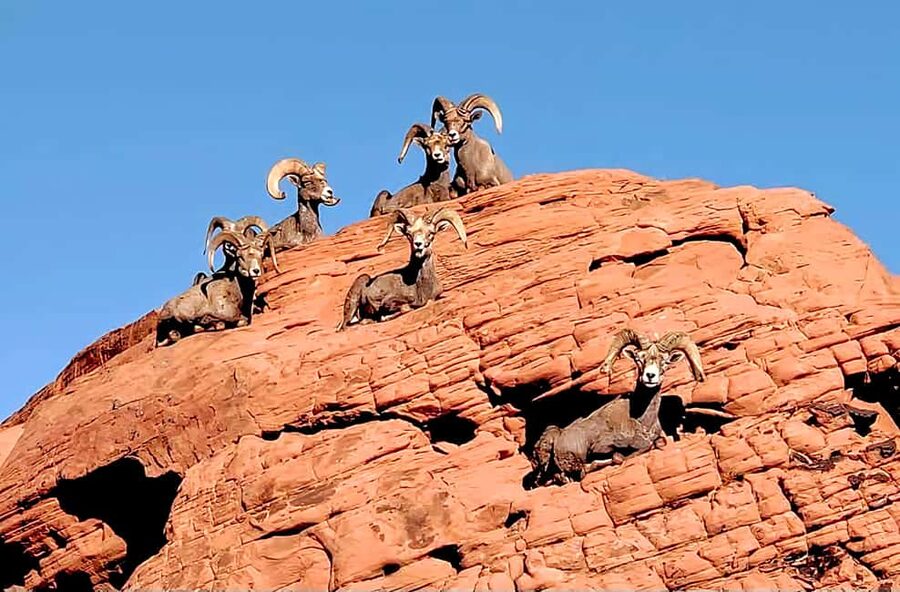
REVIEW · VALLEY OF FIRE TOURS
Valley of Fire
Red rock magic happens fast here.
This half-day guided trip trades Las Vegas noise for Valley of Fire State Park photo stops like Atlatl Rock petroglyphs, with a pro guide (Alex Paulau) doing the history and the practical spot-choosing while you focus on getting the shot.
I especially love how efficiently the day is paced. You get a handful of meaningful stops (from quick viewpoints to a real break at the visitor center), and Alex helps you make the most of every stop with stories plus photo guidance.
One possible drawback: it is not a hike-heavy day. If you want long trail time, you may feel a little rushed, because most moments are built around short photo stops and easy walking near viewpoints.
In This Review
- Key reasons this Valley of Fire tour is worth your time
- The 4.5-hour rhythm: how the day really feels
- Pickup, luxury SUV comfort, and small group attention
- Bee Hives, Seven Sisters, and Elephant Rock: a photo stop circuit that makes sense
- Atlatl Rock petroglyphs: ancient marks with a modern guide
- The Visitor Center break: making geology and ecology less random
- Alex Paulau’s role: history, humor, and actual photo help
- Price and value: $250 per group up to 3, and where it actually pays off
- Rules, what to bring, and how to be a good desert passenger
- Who should book this Valley of Fire tour, and who might not
- Should you book Valley of Fire with Alex Paulau?
- FAQ
- How long is the Valley of Fire tour?
- Where is the pickup location?
- What vehicle do you use?
- What is the price?
- What stops are included?
- Is bottled water included?
- Are snacks included?
- What languages is the live guide available in?
- Are there any key rules to follow?
Key reasons this Valley of Fire tour is worth your time
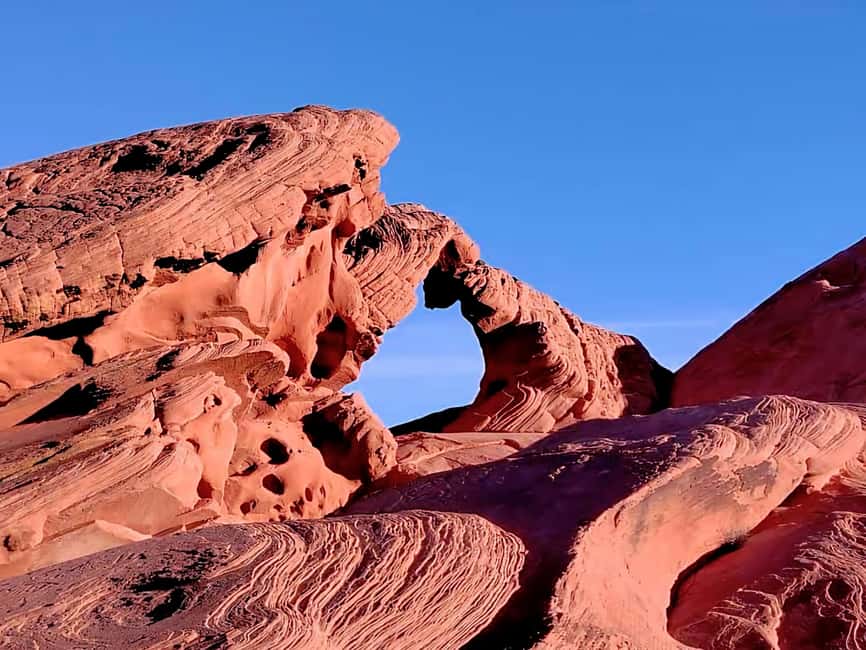
- Atlatl Rock petroglyphs: ancient marks from Ancient Tribes, built into the schedule
- Photo-focused stops: you spend real time at the best-looking viewpoints
- Alex Paulau helps with photos: he takes pictures at every stop
- Beehives, Seven Sisters, Elephant Rock: multiple named photo stops, not just one big viewpoint
- Small group in a luxury SUV: limited to 4 participants for more personal attention
- Visitor Center break included: ecology, geology, and cultural history help the scenery click
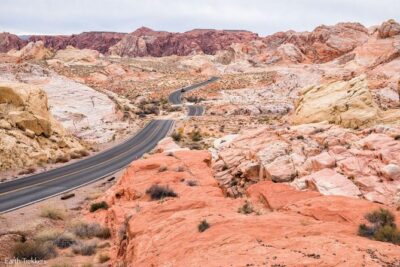
More of the flames at Valley of Fire


The 4.5-hour rhythm: how the day really feels
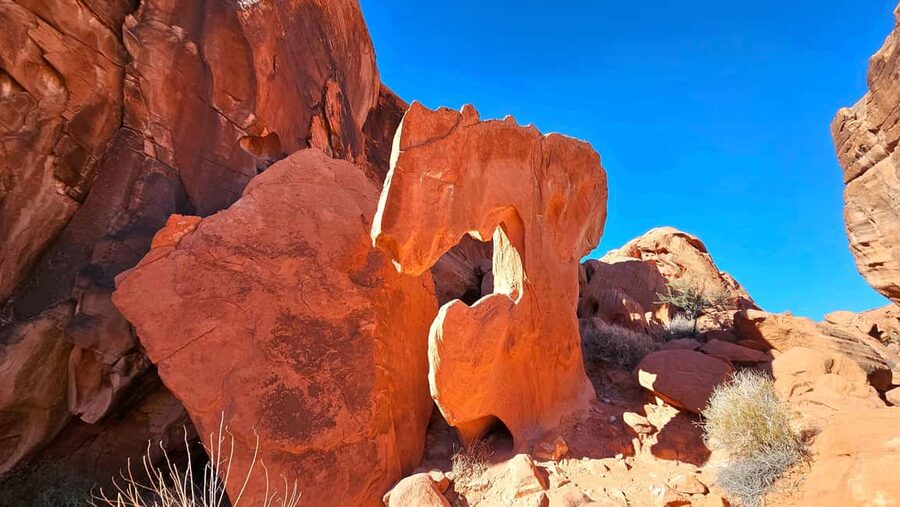
This is a half-day outing, about 270 minutes, which is exactly why it works if you only have one chunk of time. You leave Las Vegas, ride out in a jeep / SUV, and you come back without burning your whole day on driving.
The pace is “photo-first,” which is different from tours that feel like a checklist. Here, most stops are designed for you to step out, take in the formations, and get your angles before moving on. You also get a 20-minute break at the Visitor Center, which keeps the day from turning into nonstop looking.
The trade-off is simple: it’s not built for big hikes or long wandering. You’ll likely do short walks to viewpoints, then settle into a quick, focused moment. For many people, that’s the sweet spot. For others, especially if you’re craving long trail time, you might want a longer itinerary.
Pickup, luxury SUV comfort, and small group attention
Pickup is in Las Vegas, and you travel in a luxury SUV with transportation handled for you. That matters more than it sounds. Valley of Fire is the kind of place where parking and navigation can slow you down, and a guide removes that stress immediately.
The group stays small, limited to 4 participants. With fewer people, you can actually hear the guide, ask questions without waiting, and get to the photo spot before it gets crowded with a larger group. It also helps the flow of the day: fewer delays, tighter timing, more time with the scenery.
Cost is structured as $250 per group up to 3, so the best value comes when you share it. If you’re traveling as a duo or trio, you’re not just splitting the price—you’re also getting a more personalized tour than bigger bus-style outings.
Bee Hives, Seven Sisters, and Elephant Rock: a photo stop circuit that makes sense
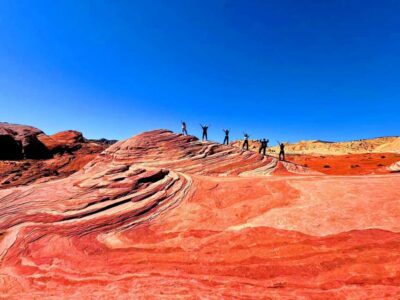
Valley of Fire is famous for its rock colors and shapes, and this tour turns that into a practical route. You’ll make several named stops, each with its own “what to look for” feel, and each one is short enough that you can stay sharp.
Here’s how the rhythm plays out:
- Valley of Fire photo stop (about 5 minutes)
This is your quick orientation. You step out, get your first red-rock fix, and start recognizing the patterns Alex will point out later. If you’re the type who needs a warm-up before you shoot, this works well.
- Beehives, Nevada photo stop (about 5 minutes)
This one is quick, so I treat it like a setup stop: get a couple shots early, then move on while the group still feels energized.
- Seven Sisters, Nevada photo stop (about 10 minutes)
A little longer means more breathing room for framing and waiting for better angles. Ten minutes sounds small until you realize it’s enough time to check a couple compositions without feeling rushed.
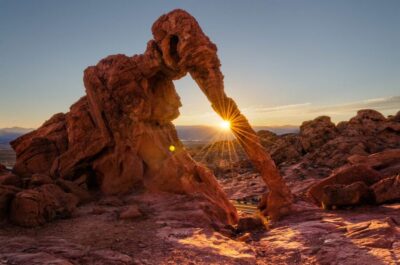
- Elephant Rock photo stop (about 20 minutes)
This is your big viewpoint moment in the middle of the day. Twenty minutes gives you time to look, walk a bit, and take multiple photos from different positions. It’s also the stop where having a guide who can steer you toward the best photo spot pays off.
Between these, you’ll also have a couple additional photo pauses (one around 10 minutes and another around 15 minutes). They help keep the scenery variety up, so you don’t end up with the classic problem of seeing just one signature view and calling it a day.
A drawback to note: because stops are timed, you should come prepared to move. If you linger and miss the group’s rhythm, you might feel like you’re constantly catching up.
- Grand Canyon West, Hoover Dam Stop and Optional Lunch and Skywalk★ 5.0 · 19,535 reviews
- Grand Canyon West, Hoover Dam Stop, Breakfast, Lunch & Skywalk★ 5.0 · 12,194 reviews
- Half-Day Mojave Desert ATV Tour from Las Vegas★ 5.0 · 7,350 reviews
- Grand Canyon West Bus Tour with Hoover Dam and Optional Skywalk★ 4.0 · 7,224 reviews
- Ultimate VIP Hoover Dam Tour from Las Vegas with Lunch★ 5.0 · 6,782 reviews
- Lower Antelope Canyon and Horseshoe Bend Day Tour with Lunch★ 5.0 · 6,764 reviews
Atlatl Rock petroglyphs: ancient marks with a modern guide
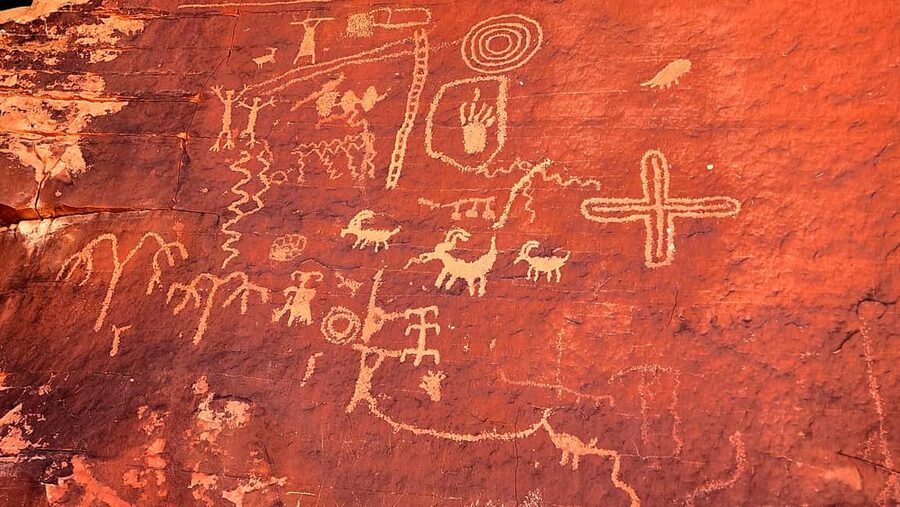
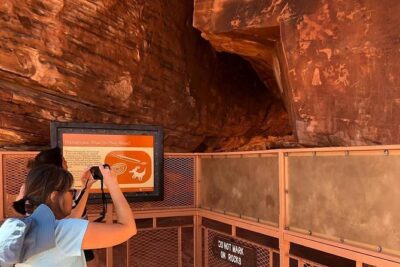
The emotional anchor of this tour is the Atlatl Rock stop, where you see petroglyphs left by Ancient Tribes. This is where the tour stops feeling like scenery sightseeing and starts feeling like a cultural visit.
This matters because petroglyphs are easy to overlook if you don’t know where to look. A guide can help you spot the markings and understand what you’re looking at, so the time doesn’t become a quick “we saw rocks” moment. It becomes more like reading the place.
The stop is about 20 minutes, which is enough time for a careful look without dragging the day. And Alex’s style helps here. In the feedback I’m basing this on, people consistently point to him making the stops more memorable with stories and by steering everyone to strong photo spots. When petroglyphs are part of the plan, photo help isn’t just about aesthetics; it’s about helping you frame the carvings properly.
One more practical note: don’t plan on spending this stop only taking photos. If you do, you might miss the meaning. Give yourself at least a minute or two to look without the camera first.
The Visitor Center break: making geology and ecology less random
A half-day tour can feel shallow if you never pause to put what you saw into context. That’s why the Valley of Fire Visitor Center break is a smart inclusion.
You get about 20 minutes there, which is not a long museum visit. It’s enough time to reset your brain and learn the basics. The visitor center has interactive exhibits covering the park’s ecology, geology, and cultural history.
For you, that can make the rest of the drive click. Without context, red rock can look like more red rock. With even a small amount of background, you start noticing how the forms connect to the park’s story—why the terrain looks the way it does and why the petroglyphs matter.
The break also gives you a comfort win. You’re not trapped in the SUV for the entire tour. You can stretch, rehydrate, and move at your own pace for a bit.
Alex Paulau’s role: history, humor, and actual photo help
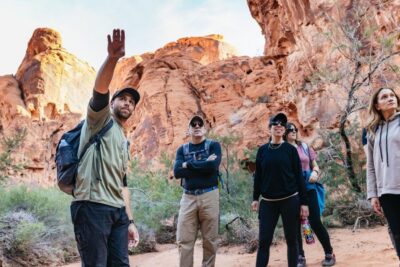
The guide is the difference-maker on this tour. Alex Paulau leads in English or Russian, and his approach shows up again and again in the kind of feedback people share.
What stands out in a practical way is that he doesn’t treat photos as an afterthought. People report that he takes photographs at every stop, and that he knows exactly where the best viewpoints are. That’s a big deal for groups who don’t want to be stuck playing photographer for everyone.
He also brings the day together with history and natural history information, and he keeps things personable and funny. I like this style because it makes the drive-time part of the experience, not just dead transit.
Also, small group size helps the guide do this well. With fewer people, Alex can talk directly to you instead of projecting over a crowd, and he can tailor where to stand for the shot.
Price and value: $250 per group up to 3, and where it actually pays off
Let’s talk math. The price is $250 per group up to 3, and that group includes hotel pickup and drop-off, transportation, a professional guide, and bottled water. Snacks aren’t included, and gratuity is not included, so budget for that.
Where the value comes from is time and friction. If you try to do Valley of Fire on your own, you’re managing transport, parking logistics, and figuring out the best photo stops quickly. Here, you outsource all of that and get a structured route that hits multiple named areas in a half-day.
This price works especially well when:
- you’re traveling as a duo or trio (since the pricing is per group up to 3)
- you want a guide who can point you to the strongest viewpoints
- you’d rather pay for a smooth day than spend your energy planning
If you’re solo and you’re hoping to keep costs minimal, you might feel it. But if your priority is a guided, photo-friendly desert day without stress, the value stacks up fast.
Rules, what to bring, and how to be a good desert passenger
You don’t need to overthink it, but you do want to follow the clear rules. Examples from the tour guidelines include no smoking in the vehicle, no oversize luggage, and no climbing or touching wildlife or animals. Alcohol and drugs are also not allowed.
This is one of those tours where “comfy and ready” beats “bring everything just in case.” I’d plan on:
- wearing comfortable shoes for short walks near viewpoints
- bringing whatever you need for photos (camera, phone, charger if you use one)
- knowing that bottled water is provided, but snacks and other drinks are not, so you may want to plan a small snack before or after
Since you’re in the desert, timing and movement matter. The schedule is built on quick photo pauses, so if you show up prepared, the day feels smooth. If you’re rummaging for sunglasses or sorting gear every stop, you’ll feel it.
Who should book this Valley of Fire tour, and who might not
This tour fits best if you want:
- a half-day escape from Las Vegas
- petroglyphs at Atlatl Rock plus multiple named photo stops
- a guide who actively helps with photography and shares context
- a small group experience without a lot of hiking
I’d be careful if you’re looking for:
- a long, trail-focused adventure
- lots of downtime at a single location
- a day where you take your time without moving on to the next stop
It’s a strong choice for couples, friends, and small groups who want to see a lot without turning it into a marathon.
Should you book Valley of Fire with Alex Paulau?
If you want a clean, efficient Las Vegas-to-Valley of Fire half-day that focuses on the best photo stops and doesn’t skimp on cultural context, I think you should book it. The blend of Atlatl Rock petroglyphs, multiple scenic stops like Elephant Rock, and Alex Paulau’s active role in getting great shots is a solid combo for the price.
Just go in knowing it’s not built for long hikes. If that matches your style, you’ll likely come away with both photos you’re happy to show and a better sense of what you saw along the way.
FAQ
How long is the Valley of Fire tour?
The duration is 270 minutes, about four and a half hours.
Where is the pickup location?
Pickup is included from Las Vegas.
What vehicle do you use?
You ride in a Jeep / SUV, listed as a luxury SUV.
What is the price?
It costs $250 per group up to 3.
What stops are included?
The tour includes photo stops at Valley of Fire, Beehives, Nevada, Seven Sisters, Nevada, Elephant Rock, and Atlatl Rock, Nevada, plus a Valley of Fire Visitor Center break.
Is bottled water included?
Yes, bottled water is included.
Are snacks included?
No. Snacks and other drinks are not included.
What languages is the live guide available in?
The live tour guide is available in English and Russian.
Are there any key rules to follow?
Yes. For example, smoking in the vehicle is not allowed, and oversize luggage is not allowed. Other restrictions include no climbing and not feeding or touching animals.
More Tour Reviews in Las Vegas
- Grand Canyon West, Hoover Dam Stop and Optional Lunch and Skywalk
★ 5.0 · 19,535 reviews - Grand Canyon West, Hoover Dam Stop, Breakfast, Lunch & Skywalk
★ 5.0 · 12,194 reviews - Half-Day Mojave Desert ATV Tour from Las Vegas
★ 5.0 · 7,350 reviews - Grand Canyon West Bus Tour with Hoover Dam and Optional Skywalk
★ 4.0 · 7,224 reviews - Ultimate VIP Hoover Dam Tour from Las Vegas with Lunch
★ 5.0 · 6,782 reviews - Lower Antelope Canyon and Horseshoe Bend Day Tour with Lunch
★ 5.0 · 6,764 reviews
More of the Valley of Fire
- Small Group: Valley of Fire Half Day Tour from Las Vegas
★ 5.0 · 2,130 reviews - Valley of Fire Guided Hike from Las Vegas
★ 5.0 · 1,611 reviews - Valley of Fire and Red Rock Canyon Day Tour from Las Vegas
★ 5.0 · 658 reviews - From Las Vegas: Valley of Fire State Park Tour
★ 4.8 · 623 reviews - Las Vegas: Valley of Fire Guided Hike with Drinks and Snacks
★ 4.9 · 548 reviews - From Las Vegas: Valley of Fire State Park Guided Day Tour
★ 4.8 · 468 reviews
Fresh off the Strip: new Las Vegas reviews




Valley of Fire Tours, compared.
 ★ 5.0Small Group: Valley of Fire Half Day Tour from Las VegasFrom $842,130 reviews
 ★ 5.0Valley of Fire Guided Hike from Las VegasFrom $1281,611 reviews
 ★ 5.0Valley of Fire and Red Rock Canyon Day Tour from Las VegasFrom $148658 reviews
 ★ 4.8From Las Vegas: Valley of Fire State Park TourFrom $109623 reviews
 ★ 4.9Valley of Fire Guided Hike with Drinks and SnacksFrom $129548 reviews
 ★ 4.8From Las Vegas: Valley of Fire State Park Guided Day TourFrom $99468 reviews
 ★ 4.5Valley of Fire TourFrom $119423 reviews
 ★ 5.0Valley of Fire State Park Day Tour from Las VegasFrom $109317 reviews
Browse the lists this tour appears in