
REVIEW · DEATH VALLEY TOURS
Death Valley Sunset and Stargazing Tour from Las Vegas
Death Valley looks different after dark. This 12-hour small-group tour takes you through the park’s best-known daytime stops and then pauses for real stargazing far from Las Vegas lights. You get to chase both the golden-hour views and the Milky Way glow over Death Valley Junction.
I like how logistics are handled: hotel pickup and drop-off on the Strip, a guided day plan, and bottled water so you can focus on the scenery. I also love that national park admission fees are included, which saves you the annoying math when you’re already paying for the big sights.
One thing to plan around: the stargazing part depends on weather and moonlight. A full or bright moon, heavy cloud, or rain can mean fewer stars than you hoped for.
In This Review
- Key highlights worth circling
- Death Valley by Day and Night: why this tour works
- Pickup, drive time, and the reality of a 12-hour day
- The Death Valley National Park sign photo: small start, good memory
- Dante’s View: altitude gives you the whole story
- Badwater Basin and the Sea Level sign: the lowest point in North America
- Artists Palette: when geology turns into color
- Zabriskie Point at sunset: the view that earns its reputation
- Lunch is on you, and breaks are planned (but pack smart)
- Death Valley Junction stargazing: the real payoff
- Phone and star-photo help (this is where guides earn their tip)
- What to wear and bring: the desert can be a surprise
- Guides and the small-group effect: more time, less chaos
- Price and value: is $249 worth it
- Should you book this Death Valley sunset and stargazing tour
- FAQ
- Where does the tour pick me up in Las Vegas?
- What time does the tour depart?
- How long is the tour?
- Do I get national park entry included?
- Is stargazing included, and when does it happen?
- Where does the stargazing happen?
- What could stop the stars from being visible?
- Is there a lot of walking or hiking?
- What should I wear and bring?
- Are meals included?
Key highlights worth circling
- Hotel pickup and drop-off from the Las Vegas Strip keeps your day from turning into a car rental puzzle
- Dante’s View + Badwater Basin gives you the two biggest “how is this real” moments early on
- Artists Palette and Zabriskie Point focus on color and light, with short walks where you can actually take photos
- Stargazing happens about 1.5 hours after sunset at a dark-sky spot, usually Death Valley Junction
- Small group size (up to 14) means more time at viewpoints and less stress on the schedule
- Guides help with photos, including Milky Way phone shots using a star app (when conditions allow)
Deeper into Death Valley
Death Valley by Day and Night: why this tour works
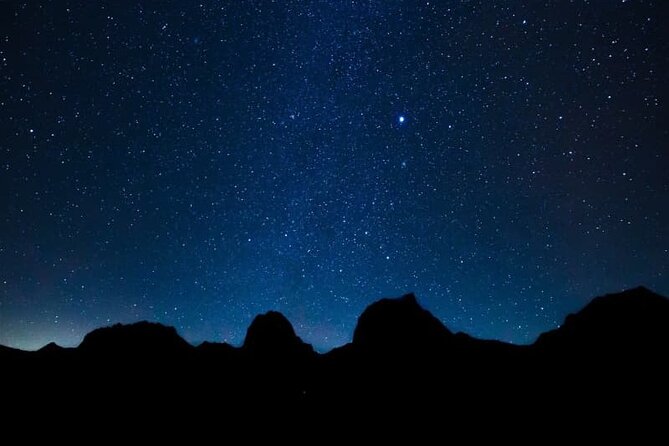
Death Valley is not one thing. It’s salt, sand, rock, and sky—often changing minute to minute. This tour is built for that. You’ll move through signature viewpoints in daylight, then stay out long enough for the desert to quiet down and the night sky to show off.
The best part is the pacing. You’re not trekking for hours between scattered locations. Instead, it’s a sequence of stops with time to step out, look around, and take photos without feeling rushed. You’ll still have a long day (this is a full-day tour), but it’s structured.
And yes, the star show is the reason to book. The schedule is timed for stargazing roughly 1 hour 30 minutes after sunset, so you’re not freezing around for no reason.
Pickup, drive time, and the reality of a 12-hour day
Pickup runs from early morning to midday depending on the season, with the tour returning late evening. The time window varies, but expect about 12 hours total and a drive of roughly 2.5 to 3 hours each way.
That long drive matters because it shapes your day. You’ll be up early, and you’ll want to use the time well. Pack snacks and keep your camera battery charged. One review advice that keeps popping up: bring a battery for photos, because you’ll be shooting a lot at multiple lookouts.
Also, don’t assume your phone will be topped up. Some guests have noted there may not be charging. I’d treat this like a no-rush tech day: plan your power, bring a layer for temperature swings, and wear shoes you can stand in comfortably.
Group size is capped at 14. In practice, that helps at viewpoints and for photo help. You’re not waiting behind a huge crowd.
The Death Valley National Park sign photo: small start, good memory
Your day begins with a quick stop at the iconic Death Valley National Park sign. It’s brief, but it’s a smart move. It anchors the day with a clear before/after moment—before you start seeing the park’s extremes up close.
It also gives you a chance to get oriented while the group is still getting settled. If you’re the type who likes planning your photo angles, this is your first warm-up.
One more to line up against this Las Vegas booking:
- Las Vegas Helicopter Night Strip Flight Tour with Optional Dinner★ 4.5 · 5,693 reviews
- Las Vegas: Night Helicopter Flight over Las Vegas Strip★ 4.6 · 1,566 reviews
- Las Vegas: Helicopter Night Flight over the Strip★ 4.7 · 1,565 reviews
- Las Vegas Strip Helicopter Night Flight★ 4.5 · 1,487 reviews
- Red Rock Canyon Sunset Horseback Ride and Barbeque Dinner★ 5.0 · 1,305 reviews
- Wild West Sunset Horseback Ride with Dinner from Las Vegas★ 5.0 · 1,031 reviews
Dante’s View: altitude gives you the whole story
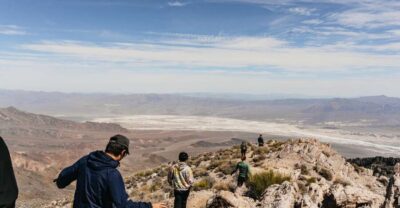
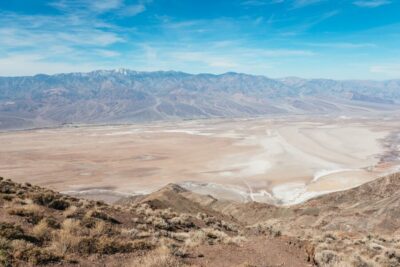
Next comes Dante’s View, perched high above the valley floor at 5,476 feet. From here, you can read Death Valley like a map: salt flats stretching out, badlands under harsh light, and the scale of the basin.
This stop is often the one people remember as their first true wow. It helps that you get a proper viewing block (about 30 minutes) rather than a quick drive-by.
Bonus detail: Dante’s View has shown up in popular culture. One guide tie-in you may hear is that it was used as part of the setting for Mos Eisley in the original Star Wars. Even if you’re not watching space movies, it gives you a fun lens for how dramatic this place feels.
Practical note: you’ll likely feel the temperature difference at elevation, so bring layers even if Vegas felt warm when you left.
Badwater Basin and the Sea Level sign: the lowest point in North America
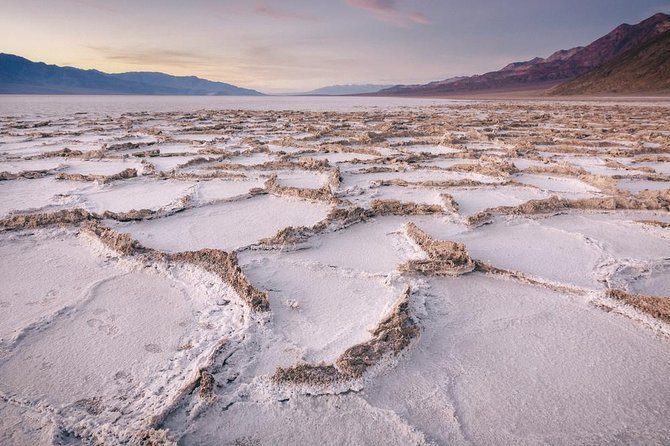
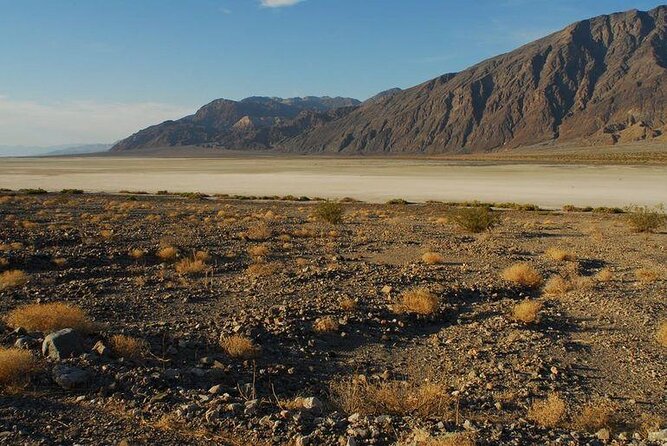
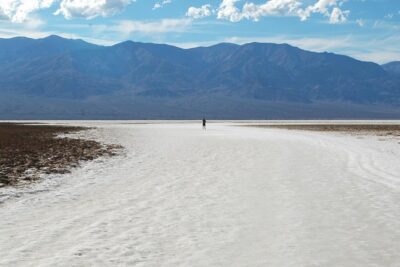
Then it’s Badwater Basin, at -282 feet below sea level. This is the other anchor stop, and it’s a must if you want the classic Death Valley extremes.
At Badwater, the salt flats can look endless. You’ll also see the wooden Sea Level sign mounted high on the cliff face. It visually drives home the drop in elevation in a way that’s hard to understand just from numbers on a map.
You’ll have about 30 minutes here. That’s enough time to step in toward salt formations, wander a bit, and take wide shots. If your feet get sore easily, stay aware of uneven ground and choose stable spots for your photos.
Artists Palette: when geology turns into color
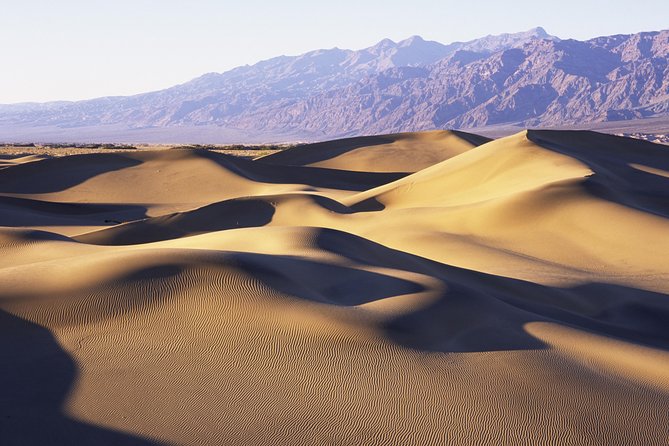
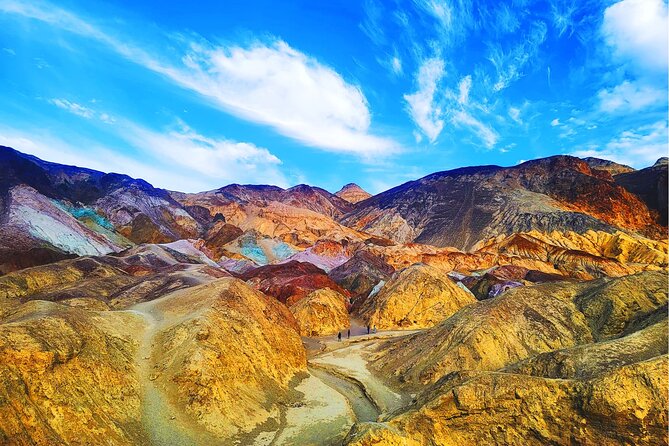
After the “lowest point” moment, the day shifts into color at Artists Palette. This stop is about the Black Mountains’ sedimentary hills—swirls of pink, gold, green, and purple that look painted rather than formed.
You’ll usually get about 1 hour. That time is valuable because the colors can shift with sunlight and your viewing angle. If you want photos with less glare, try different spots rather than shooting from the first place you stand.
One real-world tip: if Artists Palette access is closed on your date due to conditions, your guide may substitute another stop such as Golden Canyon. Build flexibility into your expectations.
Also, this is still a desert day. Even if it looks cool in the shade, the sun can hit hard.
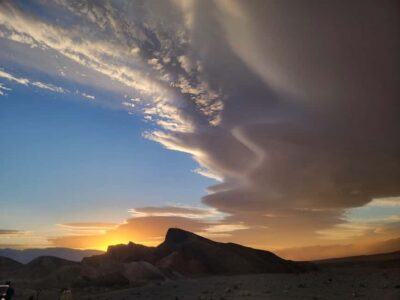
Zabriskie Point at sunset: the view that earns its reputation
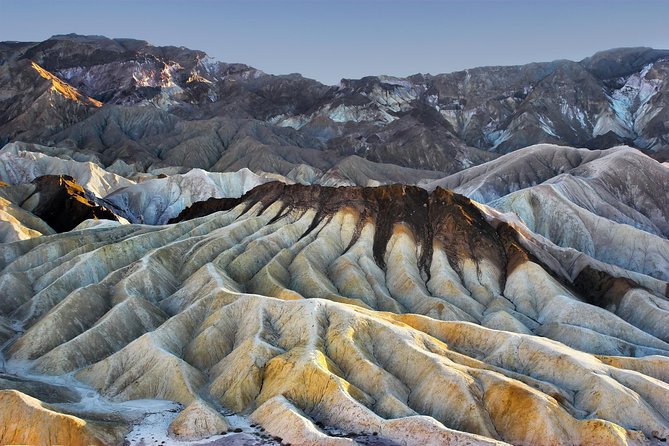
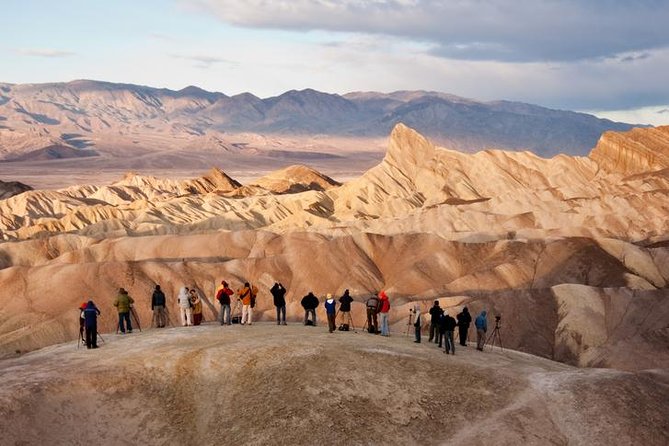
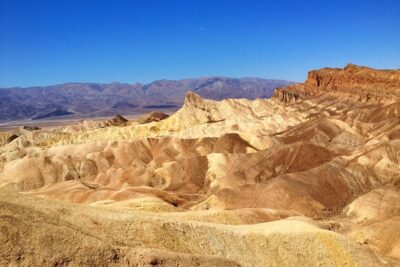
Next is Zabriskie Point, a standout viewpoint over the golden badlands near Furnace Creek. You’ll get about 1 hour, plus a short paved walk to the viewpoint area.
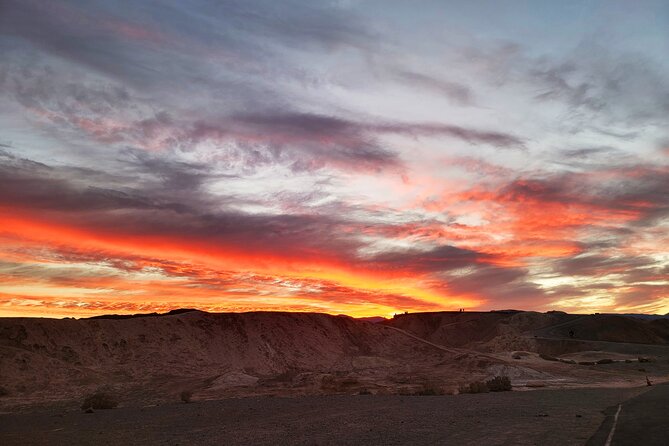
The reason Zabriskie Point matters on this tour is timing. Daylight views are great, but the point of coming here is to catch the sunset glow over the canyons and gulches. The colors tend to look deeper as the light changes.
This stop is also popular because it’s an easy win for photographers. You can frame the wave-like badlands shapes with minimal walking. So even if your legs are tired from the earlier stops, you still feel like you can enjoy it fully.
Lunch is on you, and breaks are planned (but pack smart)
Meals are not included. That means you should bring snacks you like, especially if you’re sensitive to hunger during a long day.
One guest note that matches the reality: it’s a full day, and water is provided, but there’s no meal service included in the tour cost. Your best move is simple:
- bring a couple of snack items you can eat fast
- add a light drink plan beyond bottled water if you want something specific
- avoid the temptation to rely on vending machines in the park
You’ll also have breaks built into the schedule, including a stop at Furnace Creek Visitor Center earlier in the day and a rest stop in Pahrump on the way back.
Death Valley Junction stargazing: the real payoff
Stargazing happens at Death Valley Junction. The exact location can shift based on sunset time and weather, but the goal stays the same: get you away from city lights and into the darkest possible sky.
Your stargazing window is about 30 minutes, timed for roughly 1.5 hours after sunset. That timing is important. Too early and the sky is still bright. Too late and you might miss the best contrast.
Here’s what to expect if conditions cooperate:
- a sky full of stars
- the Milky Way view many people come for
- constellations and often planets visible to the eye or with phone help
If the moon is bright, clouds roll in, or it rains, the stars can look muted. The tour doesn’t pretend this is guaranteed. The best you can do is dress for night temperatures and keep your expectations flexible.
Phone and star-photo help (this is where guides earn their tip)
One of the most praised parts is how guides help you with photos. Multiple guides are described doing things like:
- using a star app to help line up shots
- walking people through phone settings
- taking photos for group members and then sending them along later (some mention AirDrop)
- making posed shots during the stargazing window
It’s not just technical help. It’s also morale help. When everyone’s cold and squinting at a dark sky, a guide who gets people set up can turn frustration into fun fast.
And for the record: you’ll see the same sky that looks empty to the casual eye. Then suddenly it clicks, and it’s hard not to stare.
What to wear and bring: the desert can be a surprise
Death Valley day temperatures can be intense, and night temps can drop. Dress for both.
Bring:
- layers for the evening (it can get cold at night)
- comfortable walking shoes (this is not heavy hiking, but you’ll be standing at viewpoints)
- sunscreen and a hat if you’re out in full sun during daylight stops
- a camera or phone you’re ready to use nonstop
- extra battery if you want lots of photos
If you’re the type who needs a charger, plan for limited options. Some guests have mentioned there’s no easy charging setup.
For comfort, also think about water intake and snacks. Bottled water is included, but you still want your own food plan so you don’t spend the day snacking on whatever’s closest.
Guides and the small-group effect: more time, less chaos
A small group changes the tone of the day. You can actually pay attention to what the guide is pointing out, instead of constantly squeezing through other people.
Guides are a major reason this tour earns such strong ratings. Recent groups have mentioned guides such as Andrew, Justin, and Jason, each noted for staying on schedule while also making time for photos and explaining what you’re seeing.
One common theme in guest feedback: the guides are proactive about pictures. That means they’ll help with posing, take group shots, and help everyone get their own angles without turning the whole group into a tripod-waiting line.
There’s also room for personality. Some guides add small touches like playlists timed to the scenery, which helps the drive feel like part of the experience rather than just travel time.
One realistic caution: a few guests found the van or vehicle seating tight. So if you’re tall or need lots of space, consider that when you pack and when you settle in.
Price and value: is $249 worth it
At $249 per person, this is not a bargain-basement sightseeing trip. But it’s also not just a ride with a couple of stops. You’re paying for:
- guided commentary and a planned route through key Death Valley sights
- hotel pickup and drop-off on the Strip
- bottled water included
- national park admission fees included
- a late-day stargazing slot at a dark area
The value math gets better if you would otherwise pay for park entry, a private guide, and transport separately. Here, the structure is bundled, and that matters in a place like Death Valley where timing and distance are real costs.
The main “cost” is your time and your meal plan: you’ll spend a full day out, and meals aren’t included. If you show up prepared with snacks and layers, the day feels like a smart use of your Vegas trip. If you arrive hungry and underdressed, you’ll feel the price more.
Should you book this Death Valley sunset and stargazing tour
Book it if you want a one-day hit of Death Valley’s most famous viewpoints with real night-sky time. The combination of Dante’s View, Badwater Basin, Artists Palette, and Zabriskie Point is exactly the kind of “see the signatures” plan that works well when you only have one day out of Las Vegas.
Skip it or reconsider if stargazing is your only goal and you can’t handle weather variability. Even with perfect planning, moonlight and clouds can soften what you see. Also think twice if you dislike long days; this is a big time commitment.
If you’re flexible, pack layers and a snack stash, and go into the night portion ready to look up, this is the kind of tour that can leave you talking about the sky long after the desert sun fades.
FAQ
Where does the tour pick me up in Las Vegas?
Pickup is offered from select hotels on the Las Vegas Strip and the surrounding area. You choose your preferred pickup location when confirming your reservation.
What time does the tour depart?
Departure time varies by season, with pickup windows ranging between about 8 AM and 2 PM depending on timing for viewing.
How long is the tour?
The duration is about 12 hours (approx.).
Do I get national park entry included?
Yes. National park admission fees are included in the cost.
Is stargazing included, and when does it happen?
Yes. Stargazing takes place at a dark-sky location about 1 hour and 30 minutes after sunset.
Where does the stargazing happen?
Stargazing takes place at Death Valley Junction. The exact stargazing location can vary based on sunset time and weather conditions.
What could stop the stars from being visible?
Stargazing may be limited if there is a full or bright moon, heavy cloud, or rain. Many stars may not be visible in those conditions.
Is there a lot of walking or hiking?
This is not a trekking tour. There is not a lot of hiking, and most stops focus on admiring and photographing.
What should I wear and bring?
Wear hiking or athletic shoes and dress in layers for nighttime. Bringing sunscreen and a fully charged phone or camera battery is a smart idea.
Are meals included?
Meals are not included. However, there may be stops along the way where you can buy food (including options like a sandwich shop or Chinese buffet with vegetarian options).
More Tours in Las Vegas
- Half-Day Mojave Desert ATV Tour from Las Vegas
★ 5.0 · 7,350 reviews - Grand Canyon West Bus Tour with Hoover Dam and Optional Skywalk
★ 4.0 · 7,224 reviews - Ultimate VIP Hoover Dam Tour from Las Vegas with Lunch
★ 5.0 · 6,782 reviews - Lower Antelope Canyon and Horseshoe Bend Day Tour with Lunch
★ 5.0 · 6,764 reviews - Las Vegas Helicopter Night Strip Flight Tour with Optional Dinner
★ 4.5 · 5,693 reviews - Half-Day Emerald Cave Kayak Tour with Optional Hotel Pickup
★ 5.0 · 4,978 reviews
More Tour Reviews in Las Vegas
- Grand Canyon West, Hoover Dam Stop and Optional Lunch and Skywalk
★ 5.0 · 19,535 reviews - Grand Canyon West, Hoover Dam Stop, Breakfast, Lunch & Skywalk
★ 5.0 · 12,194 reviews - Half-Day Mojave Desert ATV Tour from Las Vegas
★ 5.0 · 7,350 reviews - Grand Canyon West Bus Tour with Hoover Dam and Optional Skywalk
★ 4.0 · 7,224 reviews - Ultimate VIP Hoover Dam Tour from Las Vegas with Lunch
★ 5.0 · 6,782 reviews - Lower Antelope Canyon and Horseshoe Bend Day Tour with Lunch
★ 5.0 · 6,764 reviews
Deeper into Death Valley
- Best of Death Valley Small Group Day Tour from Las Vegas
★ 5.0 · 644 reviews - From Las Vegas: Death Valley Guided Day Tour
★ 4.9 · 392 reviews - From Las Vegas: Death Valley & Rhyolite Ghost Town Day Trip
★ 4.8 · 289 reviews - Small-Group Death Valley National Park Day Tour from Las Vegas
★ 5.0 · 217 reviews - From Las Vegas: Death Valley Sunset and Starry Night Tour
★ 4.9 · 207 reviews - Death Valley NP Full-Day Small Groups Tour from Las Vegas
★ 4.8 · 134 reviews
Fresh off the Strip: new Las Vegas reviews


Death Valley Tours, compared.
 ★ 5.0Best of Death Valley Small Group Day Tour from Las VegasFrom $199644 reviews
 ★ 4.9From Las Vegas: Death Valley Guided Day TourFrom $199392 reviews
 ★ 4.8From Las Vegas: Death Valley & Rhyolite Ghost Town Day TripFrom $170289 reviews
 ★ 5.0Small-Group Death Valley National Park Day Tour from Las VegasFrom $279217 reviews
 ★ 4.9From Las Vegas: Death Valley Sunset and Starry Night TourFrom $249207 reviews
 ★ 4.8Death Valley NP Full-Day Small Groups Tour from Las VegasFrom $279134 reviews
 ★ 5.0Death Valley Day & Night Tour – Scenic Stops, Sunset & StargazingFrom $299124 reviews
 ★ 4.5Death Valley Day Trip from Las VegasFrom $297109 reviews
Browse the lists this tour appears in